Fukagawa Basho Walk: From His Hermitage to the Journey's Start
MAP ・ 7 SPOTS
Fukagawa Basho Walk: From His Hermitage to the Journey's Start
Fukagawa (in modern-day Koto City, Tokyo) is where the famous haiku poet Matsuo Basho spent the latter half of his life and embarked on his legendary journey along the Narrow Road to the Deep North. The historic spots linked to him—the ruins of his Basho-an hermitage, a statue overlooking the Sumida River, and the site where he set off—are all clustered within an easy walking distance. Enjoy a half-day stroll through the waterside town where Basho lived. It makes a wonderful companion to any Narrow Road itinerary!
2026.08.21
·Total ~2.2km
SPOT
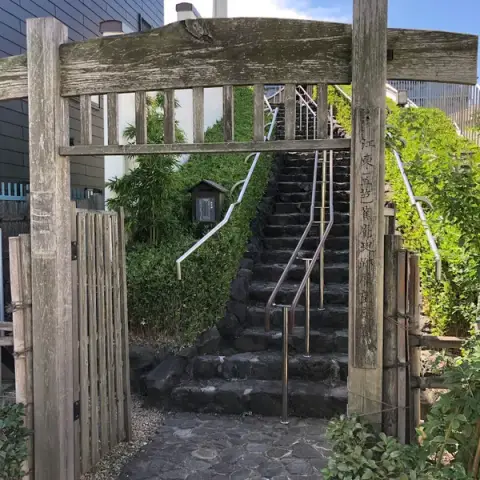
Basho Inari Shrine (Former Site of Basho-an)
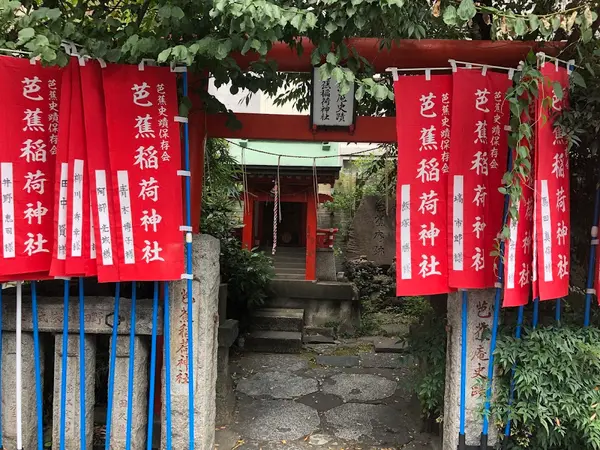
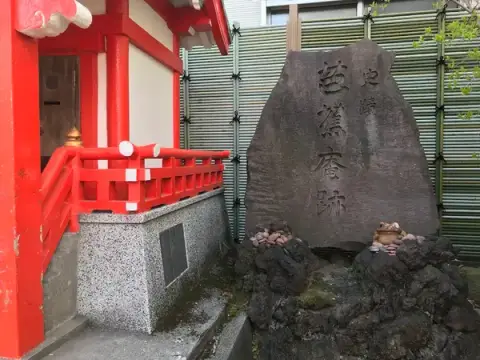
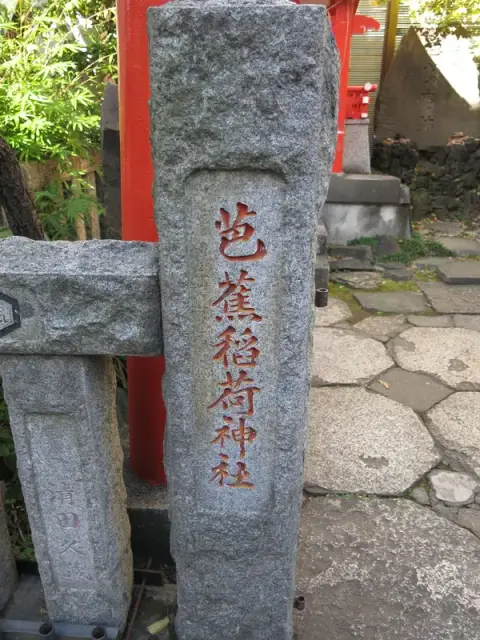
Said to be the location of Basho-an, the hermitage where Basho lived. He moved here in 1680 to land owned by his disciple Sugiyama Sanpu, and it served as his base until his death in 1694. After a storm surge in 1917, a stone frog believed to be Basho's cherished keepsake was unearthed, identifying this as the hermitage site. A great place to start your Fukagawa walk.
〒135-0006 東京都江東区常盤1丁目3−12
SPOT
Basho-an Historic Site Observation Garden
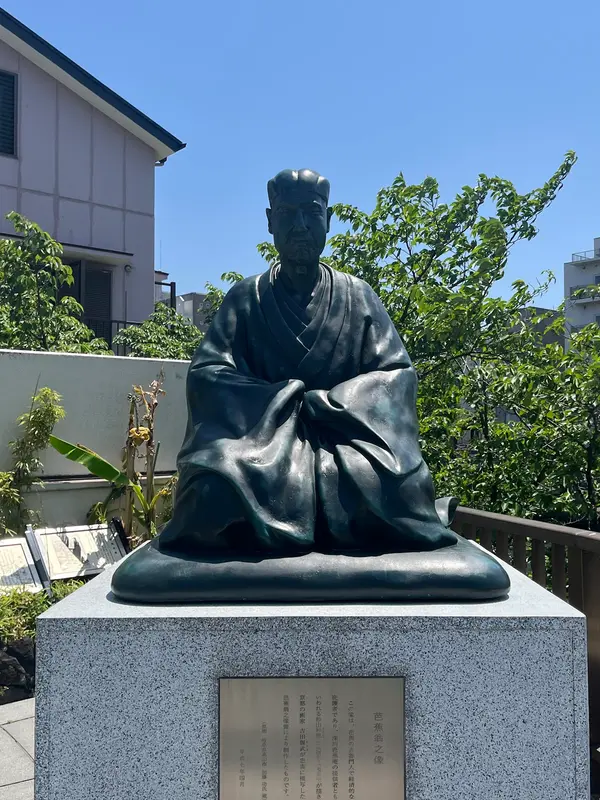
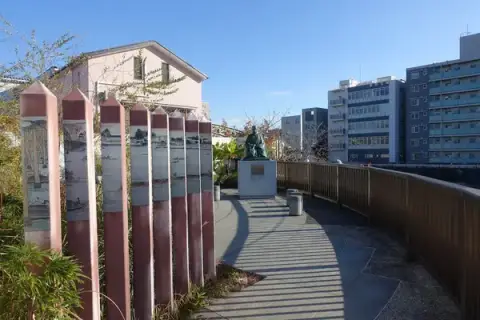
A small waterside garden located where the Sumida and Onagi rivers meet (an annex of the Basho Museum). A statue of Basho sits facing the river, and at 5:00 PM it actually rotates toward the water. The historic scenery from which Basho set off by boat still unfolds right in front of you.
〒135-0006 東京都江東区常盤1丁目1−3
SPOT
Basho Museum
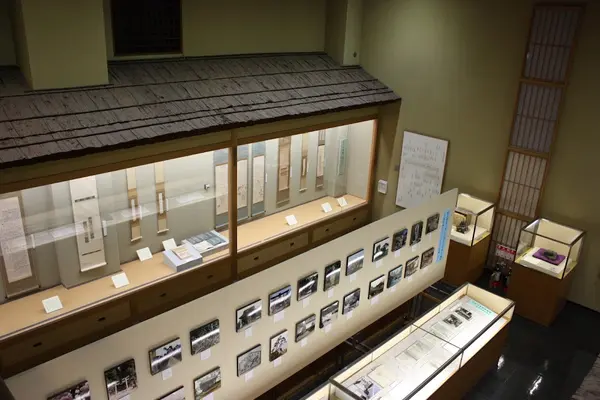
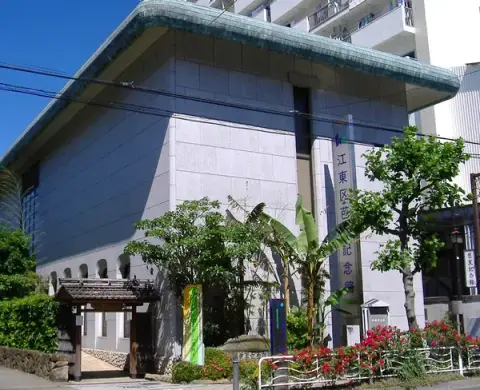
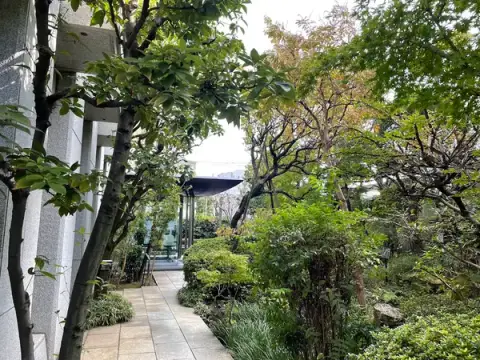
A museum dedicated to Basho and the art of haiku poetry, showcasing his handwritten manuscripts and historical documents. It offers a great overview of his journey on the Narrow Road to the Deep North. Just a 3-minute walk from the Observation Garden, it's ideal for a quick deep-dive before or after your walk.
〒135-0006 東京都江東区常盤1丁目6−3
SPOT
Mannen Bridge
A bridge spanning the mouth of the Onagi River where it empties into the Sumida River. It was a scenic spot immortalized in woodblock prints by masters like Hokusai (in 'Thirty-Six Views of Mount Fuji') and Hiroshige. Basho's hermitage was very close to here, and a stone monument inscribed with his haiku stands by the bridge.
東京都江東区 萬年橋
SPOT
Former Site of Saitakuan (Departure Point)
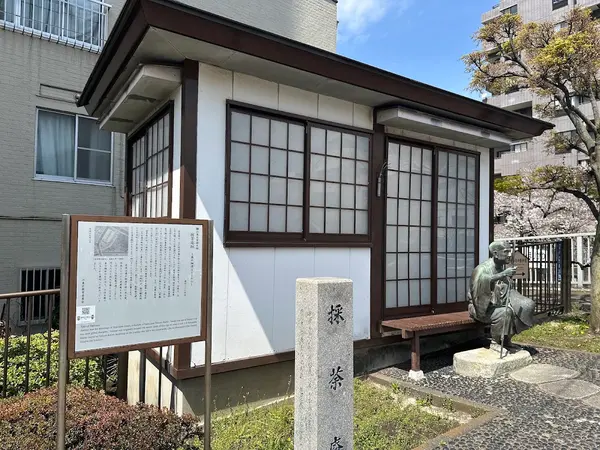
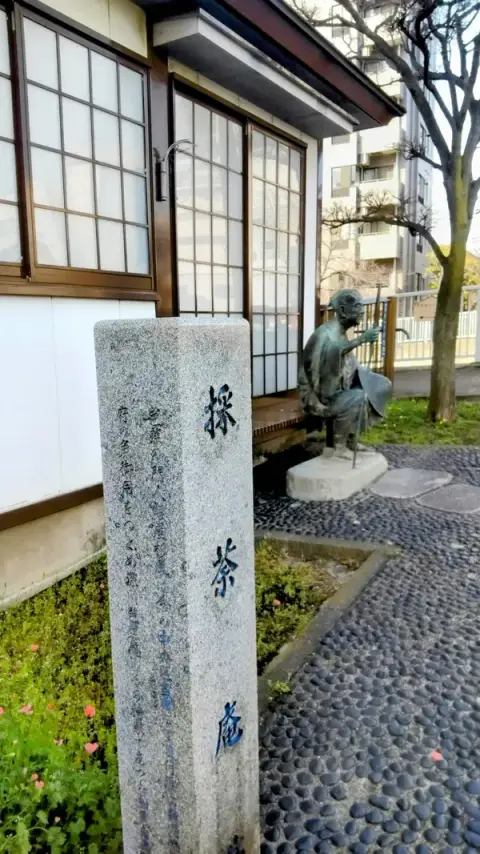
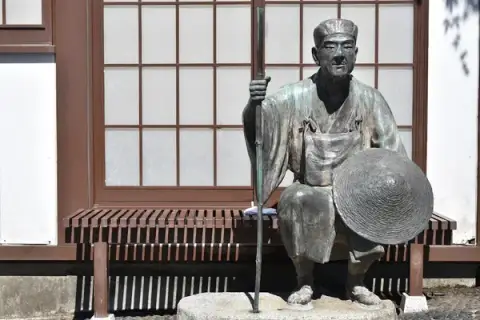
In 1689, Basho departed on his journey to the Deep North from this very spot (the villa of his disciple, Sugiyama Sanpu), writing the famous verse: 'Spring departs / birds cry and tears are in the eyes of fish.' At the foot of Umibe-bashi Bridge, you'll find a statue of Basho dressed in travel garb, ready to set out.
〒135-0033 東京都江東区深川1丁目11−11
SPOT
Kiyosumi Gardens
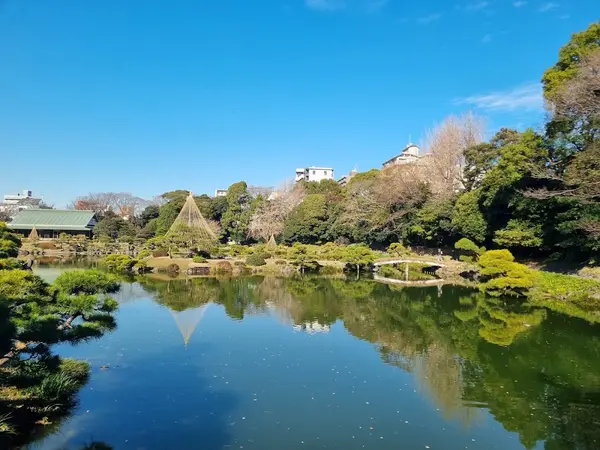
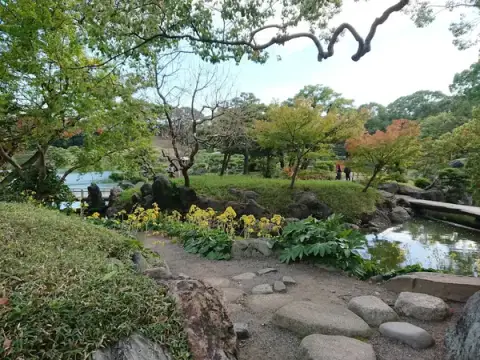
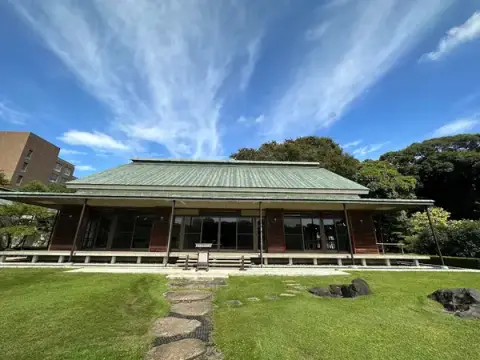
A classic Japanese stroll garden centered around a pond, originally built by the Iwasaki family. While not directly tied to Basho, it sits right along the walking route and makes a refreshing waterside rest stop. Take a breather as you step along the massive garden stones.
〒135-0024 東京都江東区清澄3丁目3−9
SPOT
Fukagawa Shinmei-gu Shrine
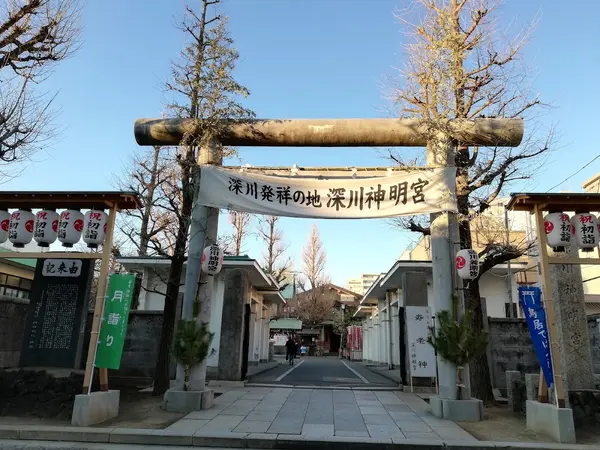
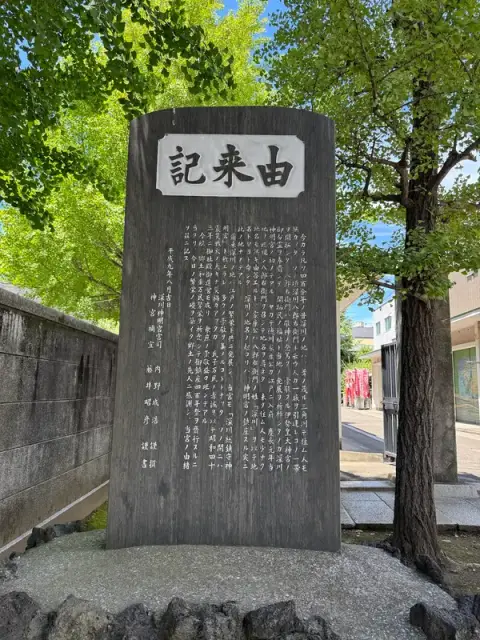
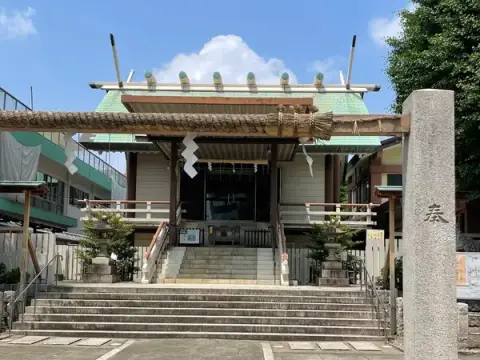
An ancient shrine regarded as the birthplace of the name 'Fukagawa.' It honors Fukagawa Hachiroemon, who opened up this region and laid the groundwork for the town Basho later called home. A lovely spot to wrap up your walk right where the town's story began.
〒135-0004 東京都江東区森下1丁目3−17