The Narrow Road to the Deep North: Michinoku Edition — From Nasu & Shirakawa to Hiraizumi
The Narrow Road to the Deep North: Michinoku Edition — From Nasu & Shirakawa to Hiraizumi
MAP ・ 12 SPOTS
The Narrow Road to the Deep North: Michinoku Edition — From Nasu & Shirakawa to Hiraizumi
The first half of Matsuo Basho's journey in 'The Narrow Road to the Deep North,' where he ventured into the true heart of Michinoku. Traveling from the Nasuno plains and crossing the Shirakawa Barrier, through Sukagawa, Takekuma, Shiogama, and Matsushima, all the way to the historic glory of Hiraizumi. This in-depth Tohoku route covers not only the famous haiku spots that standard guide maps highlight, but also the poetic landmarks (utamakura) and ancient temples and shrines along the way. Trace 12 key Michinoku locations in the order Basho traveled them.
2026.08.23
·Total ~312km
SPOT
Yugyo Willow
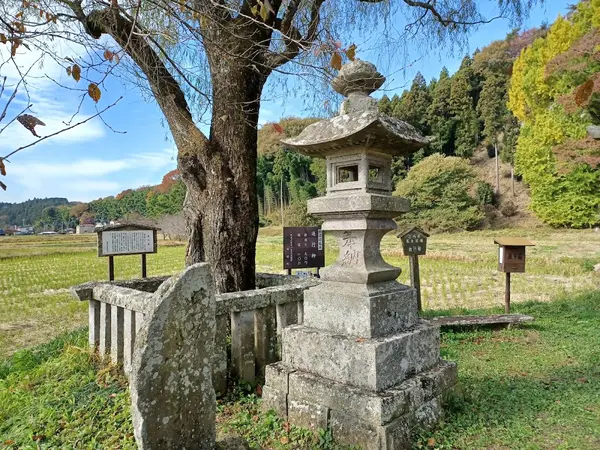
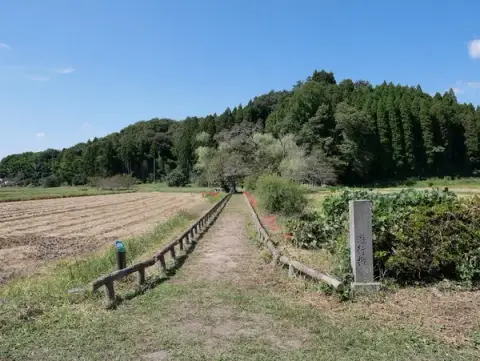
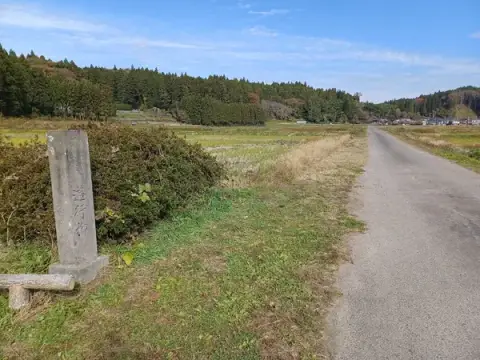
The historic willow tree in Ashino, Nasu, celebrated centuries earlier by the monk-poet Saigyo. Basho stood under its shade and composed his famous verse, lingering just long enough for rice planters to finish a single paddy while reflecting on the ancient poet.
〒329-3443 栃木県那須郡那須町芦野
SPOT
Sessho-seki (Killing Stone, Nasu Yumoto)
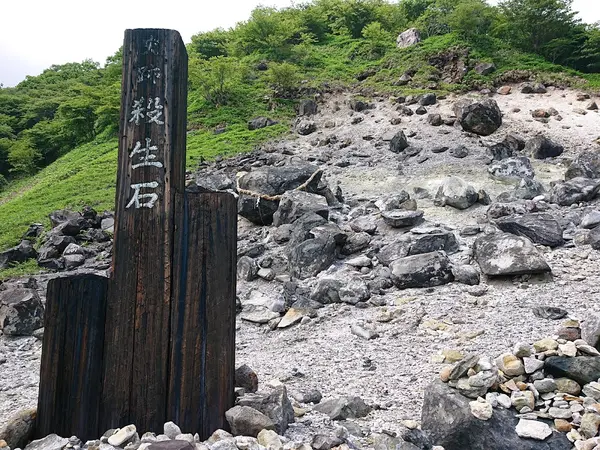
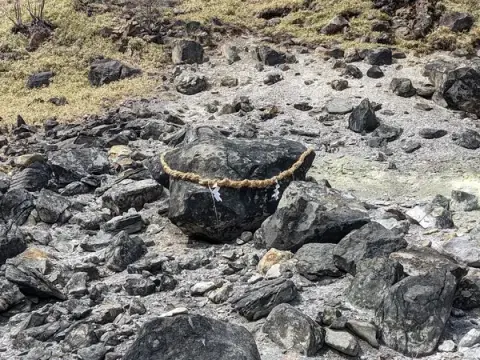
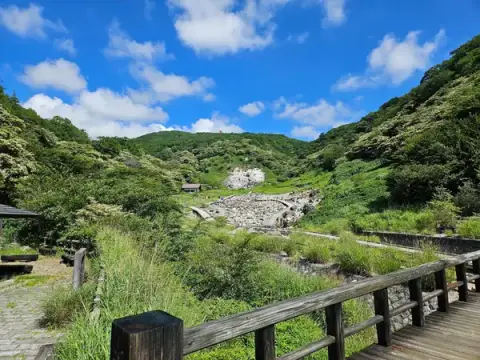
A desolate, volcanic area in Nasu Yumoto tied to the legend of the Nine-Tailed Fox, where toxic gases vent from the earth. Basho captured the sharp sulfur scent and heat in his haiku here. It also drew attention recently when the massive stone split in two.
〒325-0301 栃木県那須郡那須町湯本182
SPOT
Ungan-ji Temple
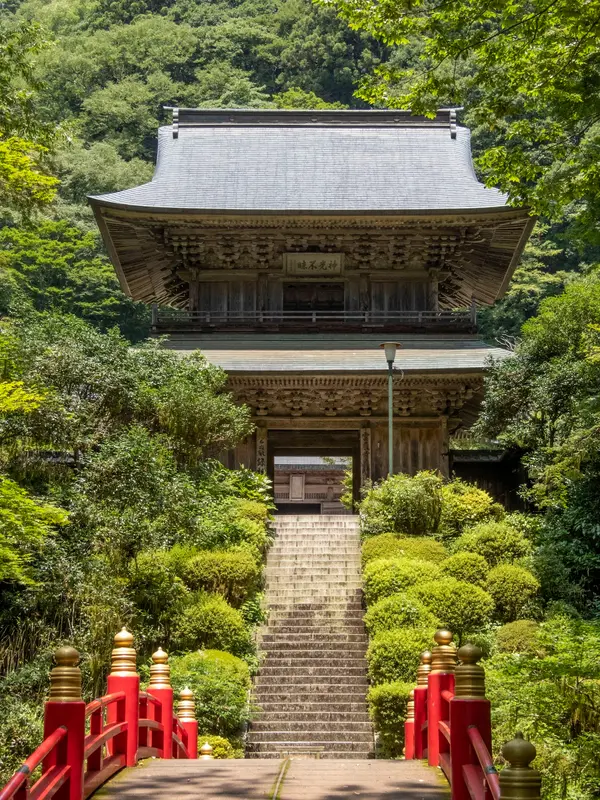
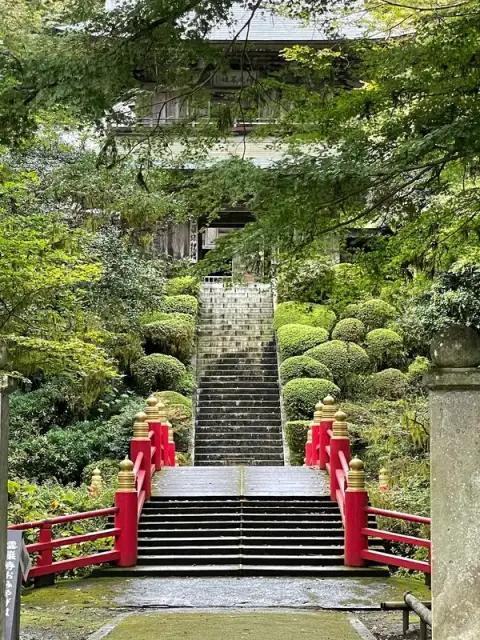
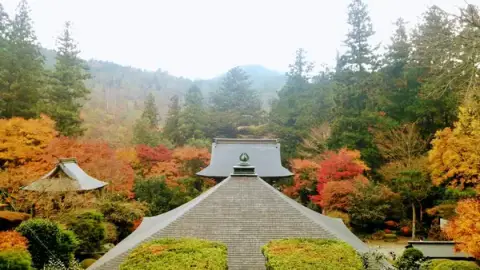
Basho traveled from Kurobane to visit this secluded mountain temple where his Zen master, Monk Buccho, once lived in hermitage. Immersed in the serene woods, he composed a haiku honoring his master's quiet virtue, noting that even woodpeckers left the rustic hermitage untouched.
〒324-0213 栃木県大田原市雲岩寺27
SPOT
Shirakawa Barrier
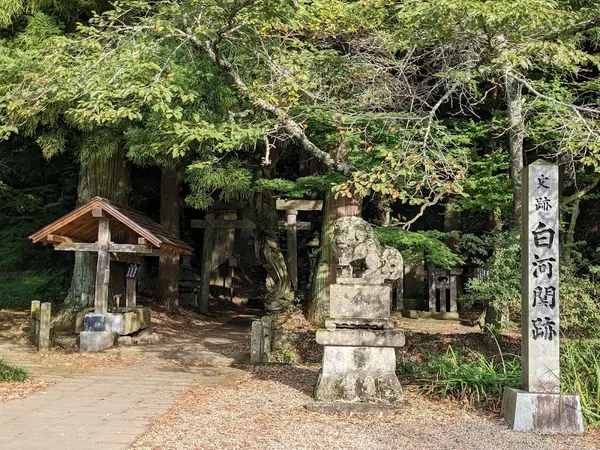
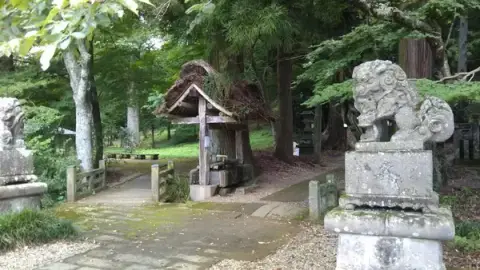
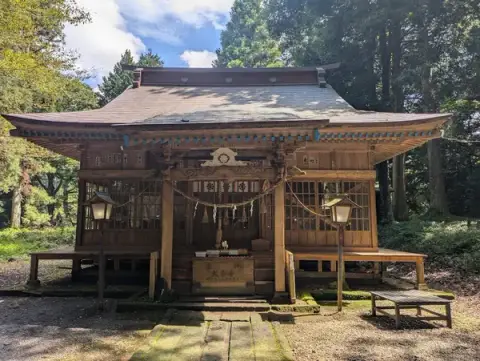
Since ancient times, this historic barrier gate marked the symbolic entrance to Michinoku. Reaching Shirakawa finally gave Basho the true mindset for his journey into the deep north, marking the real beginning of his adventure through the Mutsu region.
〒961-0038 福島県白河市旗宿関ノ森 白河の関
SPOT
Sukagawa (Noki-no-Kuri & Basho Memorial Museum)
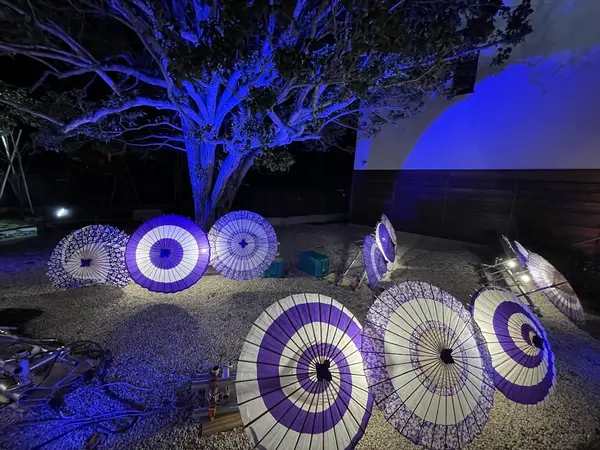
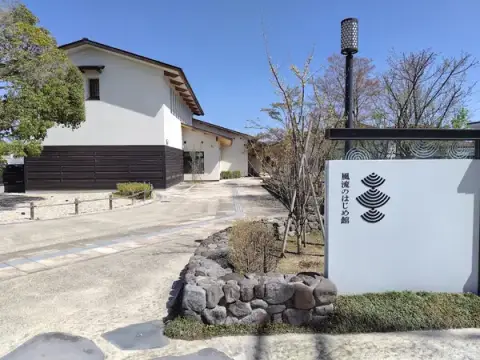
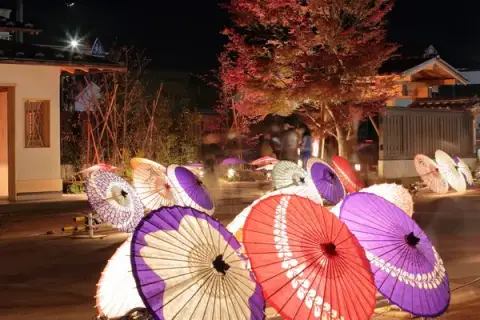
After passing Shirakawa, Basho spent seven days in Sukagawa staying with his disciple Tokyu. Inspired by a recluse living quietly under the shade of a chestnut tree, he composed poetry here, including his very first haiku of the Michinoku journey about the northern rice-planting songs.
〒962-0832 福島県須賀川市本町81番地4
SPOT
Asakayama Park
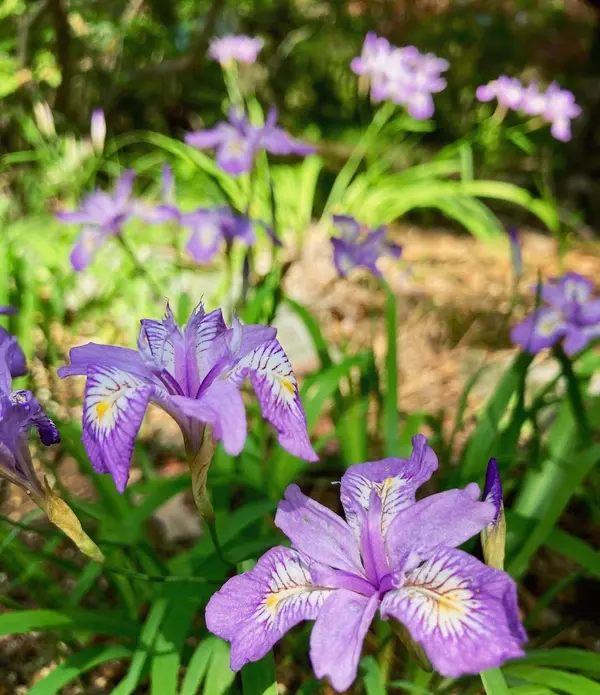
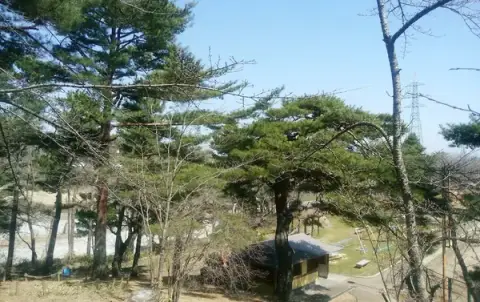
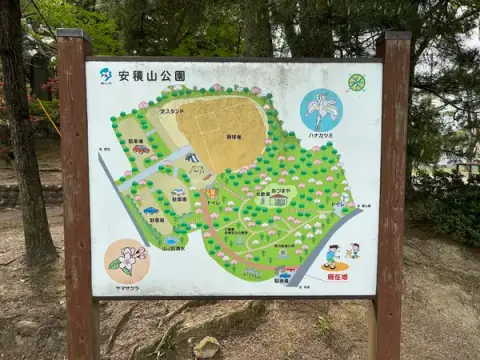
The Mount Asaka area where Basho searched for the elusive, legendary 'hana-katsumi' (iris flower). He spent the entire day until dusk asking locals about it—a memorable scene from his quest to track down ancient poetic landmarks.
〒963-0534 福島県郡山市日和田町安積山
SPOT
Takekuma Pine (Twin Pines)
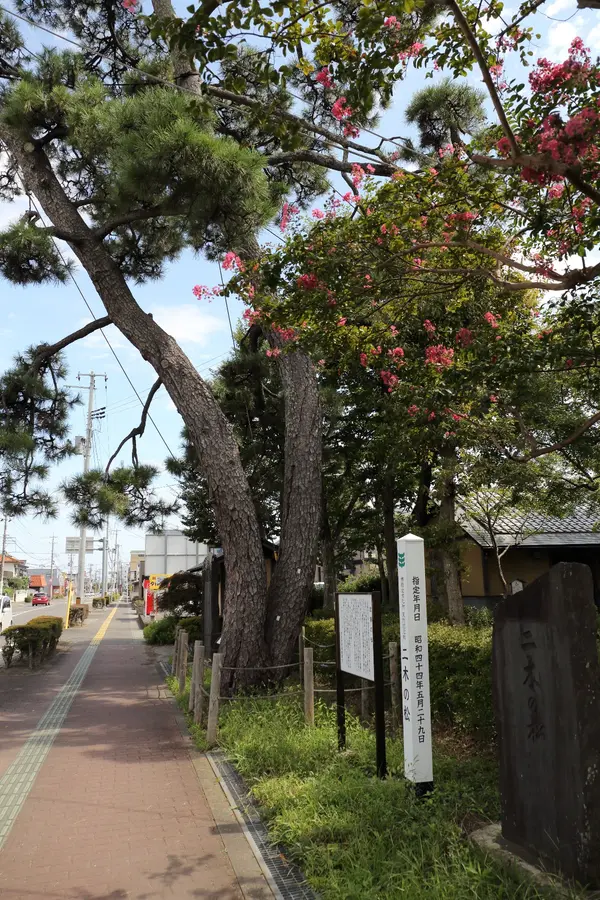
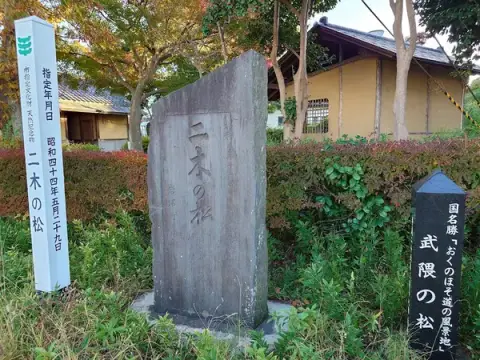
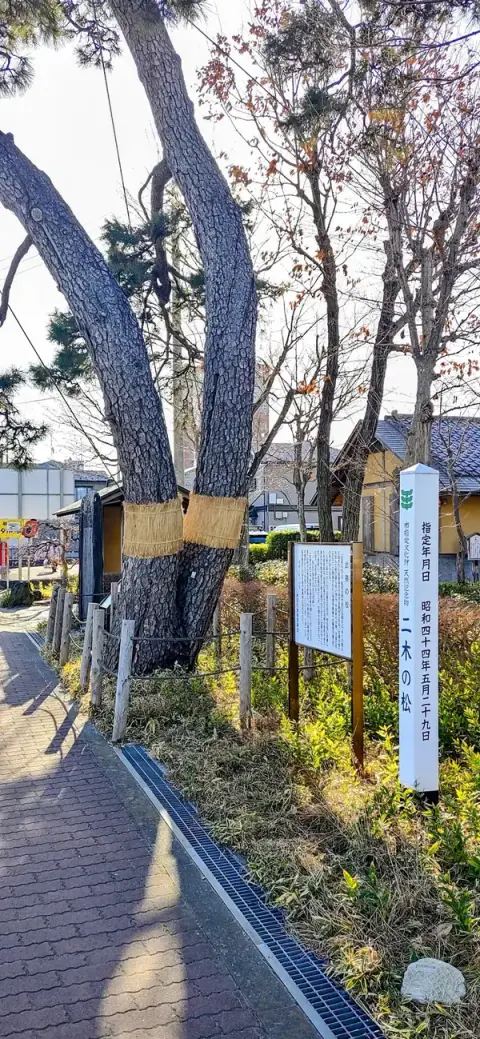
A famous pine tree that splits into two trunks right from its base, celebrated in classic poetry for centuries. Basho was deeply moved to find it still thriving, composing a verse noting that three months after seeing cherry blossoms in Edo, he had finally arrived to see these twin pines.
〒989-2448 宮城県岩沼市二木2丁目2−2
SPOT
Tagajo Monument (Tsubo no Ishibumi)
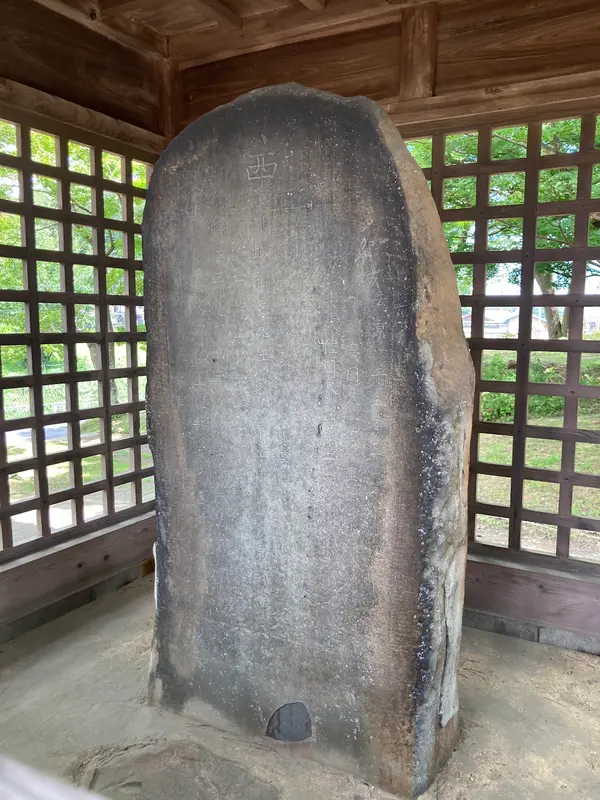
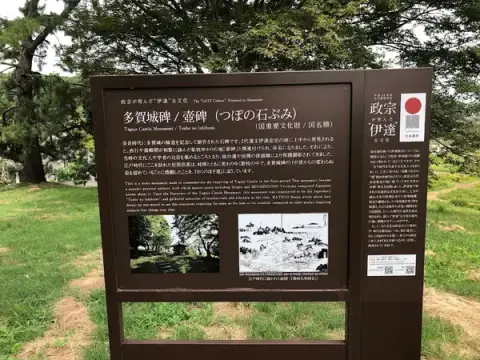
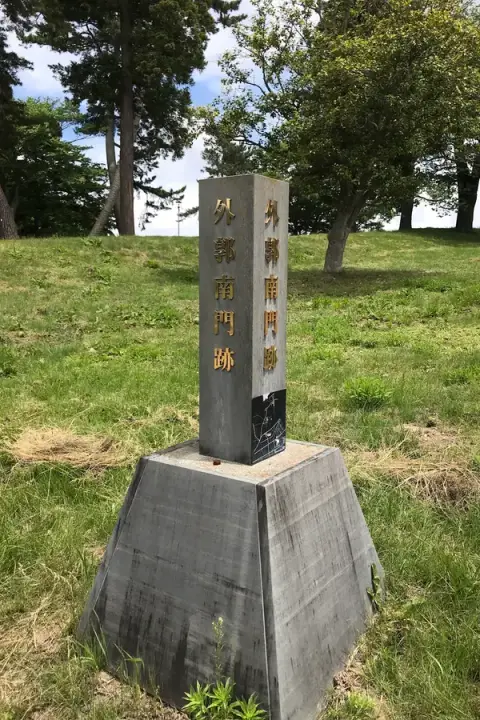
An ancient stone monument standing at the historic Tagajo Castle site, the government seat of ancient Mutsu. While the exact locations of many poetic landmarks had been lost to time, Basho wept with joy upon seeing this 1,000-year-old monument perfectly preserved—one of the most emotional moments of his journey.
〒985-0864 宮城県多賀城市市川田屋場16
SPOT
Shiogama Shrine
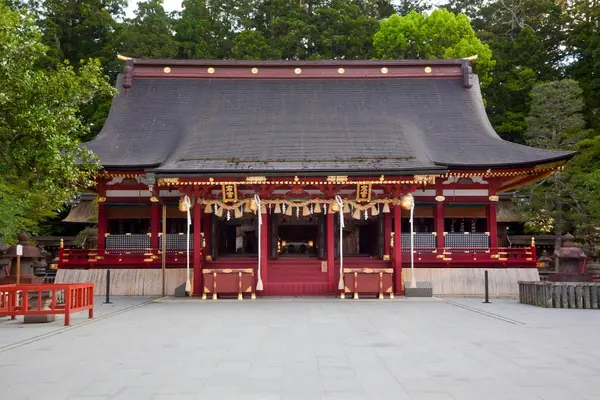
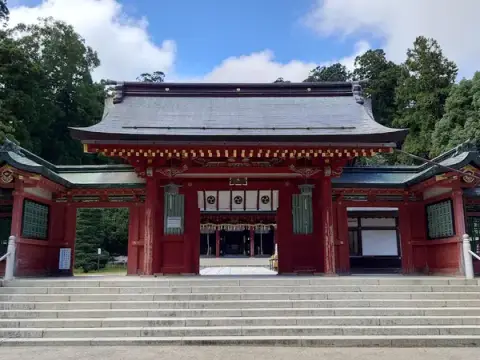
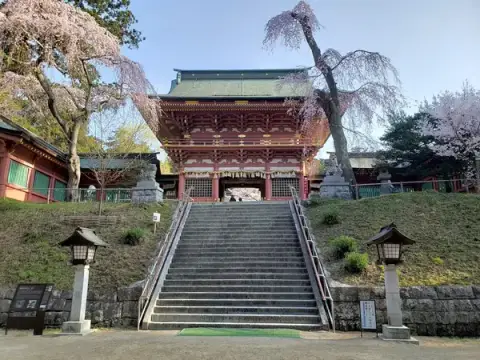
The premier shrine (Ichinomiya) of ancient Mutsu Province. Basho visited early in the morning, deeply moved by its solemn grandeur and the sincere faith of the northern people. Finding the name of the loyal warrior Izumi Saburo (Fujiwara no Tadahira) on a stone lantern, he paused to honor his memory.
〒985-8510 宮城県塩竈市一森山1−1
SPOT
Zuigan-ji Temple, Matsushima
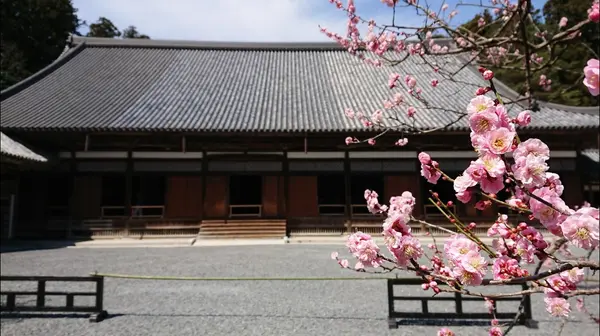
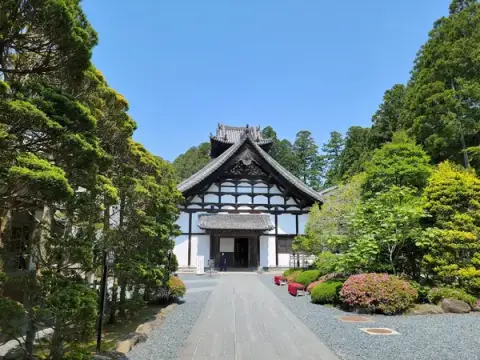
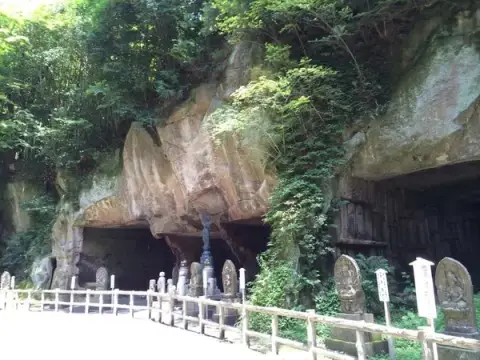
A historic Zen temple in Matsushima, one of Japan's Three Great Views. Legend has it that the scenery was so breathtaking that Basho couldn't even put it into a haiku. He simply gazed out at the islands floating in the bay and took in the magnificent temple halls rebuilt by Date Masamune.
〒981-0213 宮城県宮城郡松島町松島町内91
SPOT
Chuson-ji Konjikido (Golden Hall), Hiraizumi
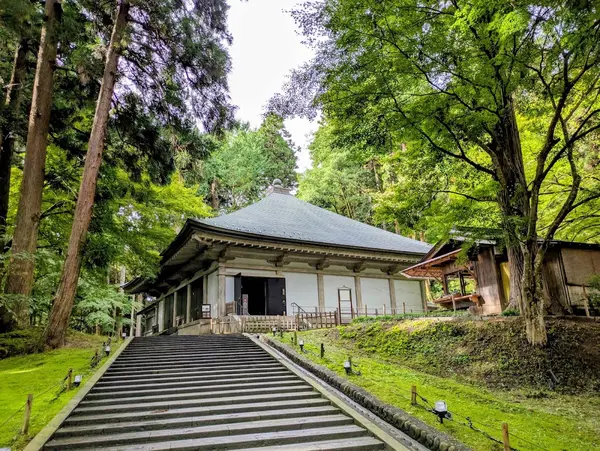
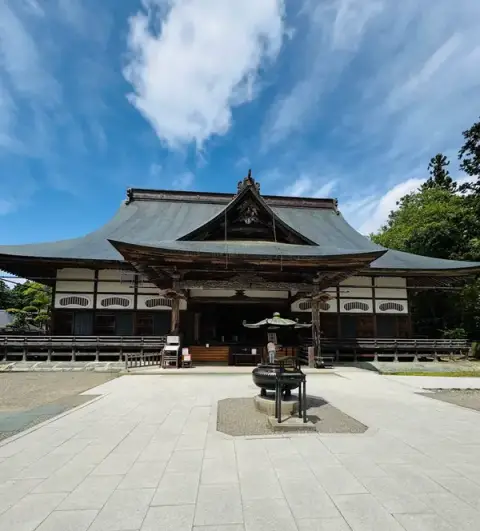
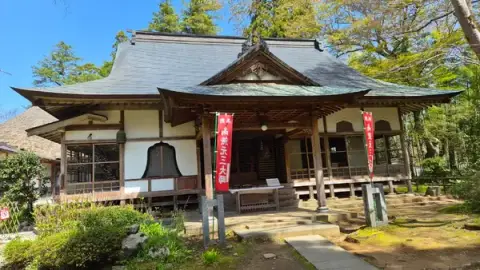
Standing before the Golden Hall—a breathtaking testament to the peak of the Northern Fujiwara clan's glory—Basho composed his famous line marveling at how centuries of early summer rains seemed to have spared this radiant, gleaming hall from decay.
〒029-4102 岩手県西磐井郡平泉町平泉衣関202
SPOT
Takadachi Gikeido
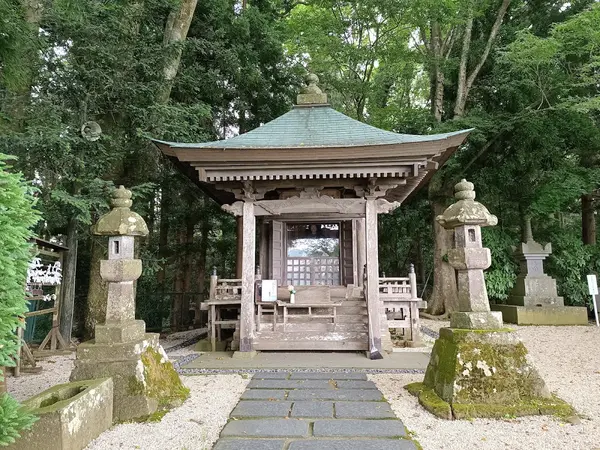
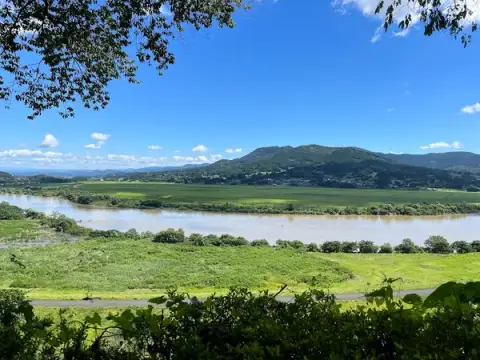
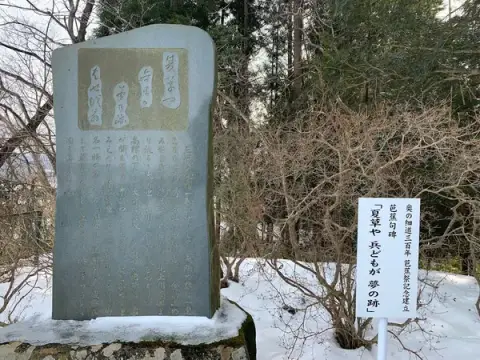
The site of the residence where the legendary warrior Minamoto no Yoshitsune met his tragic end. Overlooking the Kitakami River from this hill, Basho wept among the overgrown summer grass and composed his most famous haiku: 'Summer grasses / all that remains of / brave warriors' dreams.'
〒029-4102 岩手県西磐井郡平泉町平泉柳御所14