The Narrow Road to the Deep North: Dewa & Hokuriku — From Hiraizumi to the Journey's End in Ogaki
The Narrow Road to the Deep North: Dewa & Hokuriku — From Hiraizumi to the Journey's End in Ogaki
MAP ・ 15 SPOTS
The Narrow Road to the Deep North: Dewa & Hokuriku — From Hiraizumi to the Journey's End in Ogaki
The second half of Matsuo Basho's epic journey in *The Narrow Road to the Deep North* (Oku no Hosomichi). After turning back at Hiraizumi, Basho crossed the Natagiri Pass into Dewa (modern Yamagata and Akita), journeyed along the Mogami River, visited the sacred Three Mountains of Dewa (Dewa Sanzan), and took in the coastal beauty of Kisakata on the Sea of Japan. He then headed south through Echigo and Hokuriku—stopping in Kanazawa, Yamanaka Onsen, and Tsuruga—before finally concluding his epic trek in Ogaki. Following the Michinoku section, here are 15 key stops from the latter half of his journey in chronological order.
2026.08.23
·Total ~824km
SPOT
Shitomae Checkpoint (Naruko)
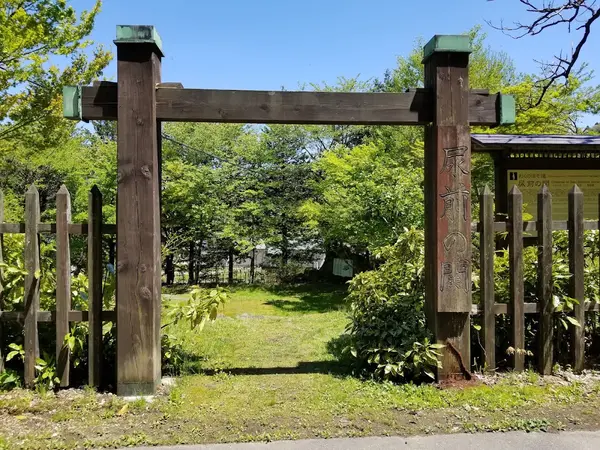
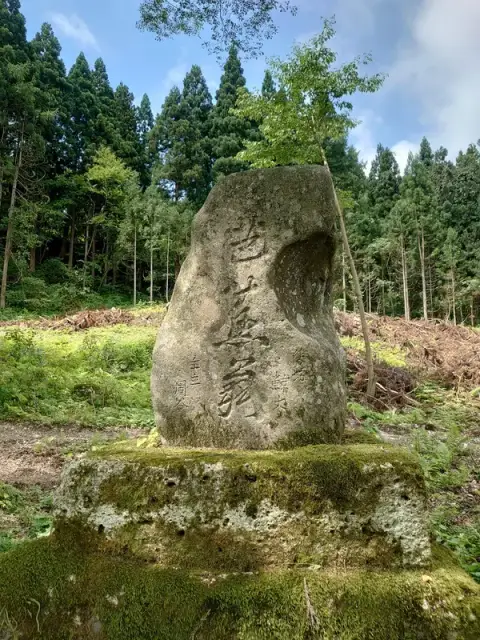
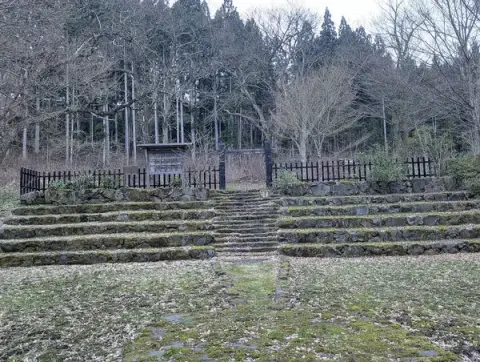
Turning back from Hiraizumi, Basho finally entered Dewa. Held up at the mountain checkpoint of Shitomae, he took shelter from the rain in a humble farmhouse for three days. There, he penned the unforgettable haiku capturing the unvarnished hardships of travel: *"Fleas and lice / a horse pisses / right by my pillow."*
〒989-6100 宮城県大崎市鳴子温泉尿前140
SPOT
Obanazawa (Basho and Seifu Historical Museum)
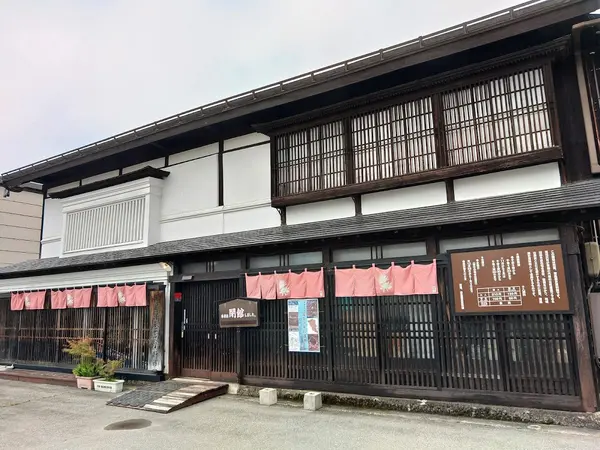
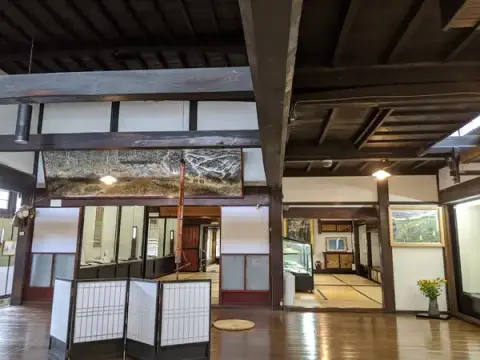
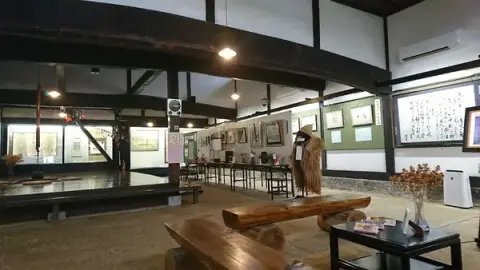
In Obanazawa, a town thriving from the safflower trade, Basho stayed for about ten days, warmly hosted by his old friend and wealthy merchant Suzuki Seifu. He composed: *"Making coolness my lodging / I stretch out and relax."* The local dialect word *nemaru* (to lounge with legs stretched out) beautifully conveys how deeply at ease he felt.
〒999-4227 山形県尾花沢市中町5−36
SPOT
Yamadera (Risshaku-ji Temple)
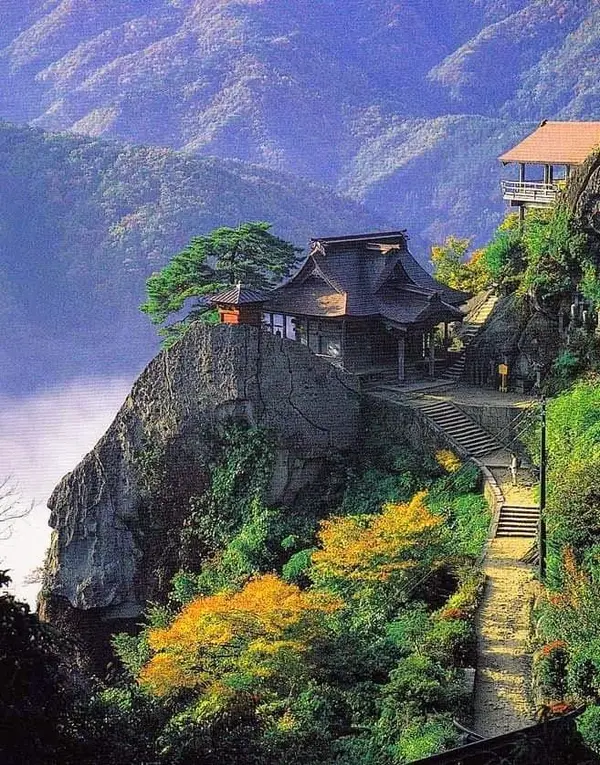
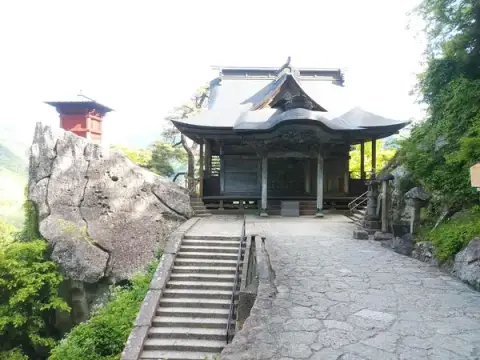
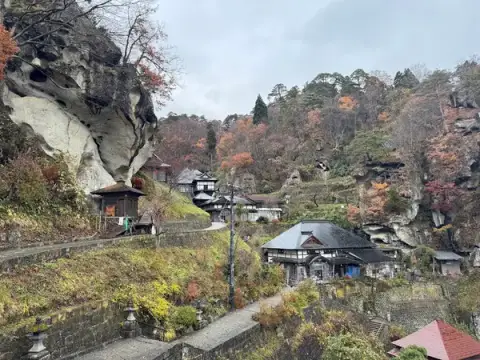
An ancient mountaintop temple Basho visited as a detour from Obanazawa. Surrounded by quiet, towering rock formations, he wrote one of his most celebrated haiku: *"Such stillness / the cries of cicadas / sink into the rocks."* The cicadas' calls serve only to heighten the profound silence of the sacred mountain.
〒999-3301 山形県山形市山寺4456−1
SPOT
Oishida (Mogami River)
A bustling boat landing along the Mogami River. Here, Basho gathered with local poets to compose verse. It was in Oishida that the early draft of his iconic poem was born, before being perfected into: *"Gathering May rains / swift and fierce / the Mogami River."* From here, the river flows down toward the Shonai region.
〒999-4111 山形県北村山郡大石田町大石田999 4111
SPOT
Mount Haguro (Dewa Sanzan)
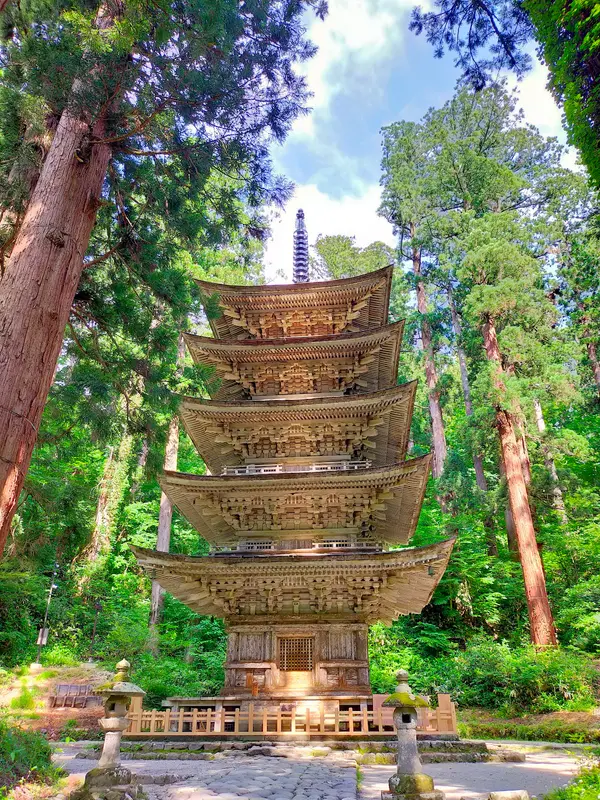
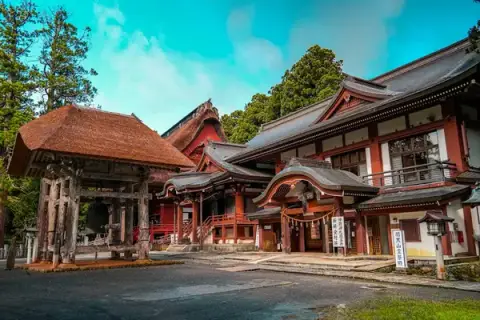
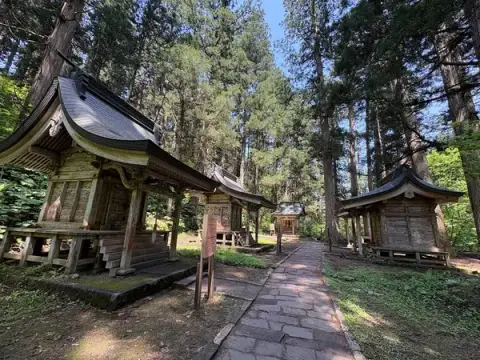
One of the sacred Three Mountains of Dewa alongside Gassan and Yudono, renowned for mountain asceticism (Shugendo). Basho spent several days here, writing: *"Such coolness / a faint crescent moon / over Mount Haguro."* A spiritual haven where soaring cedar groves and a National Treasure five-story pagoda welcome visitors.
〒997-0211 山形県鶴岡市羽黒町手向羽黒山33番地
SPOT
Yudonosan Shrine
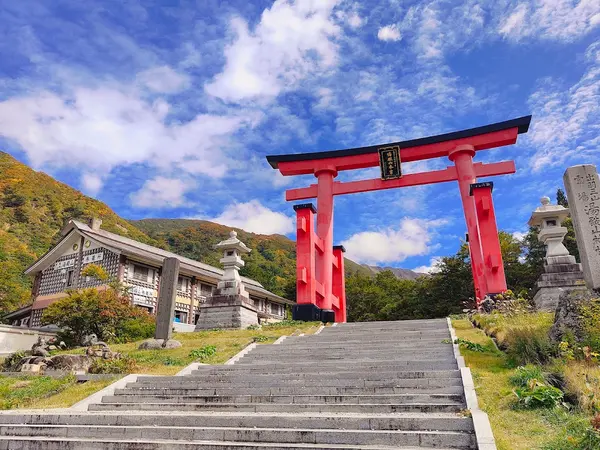
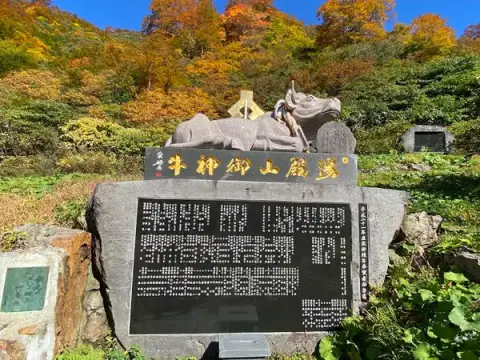
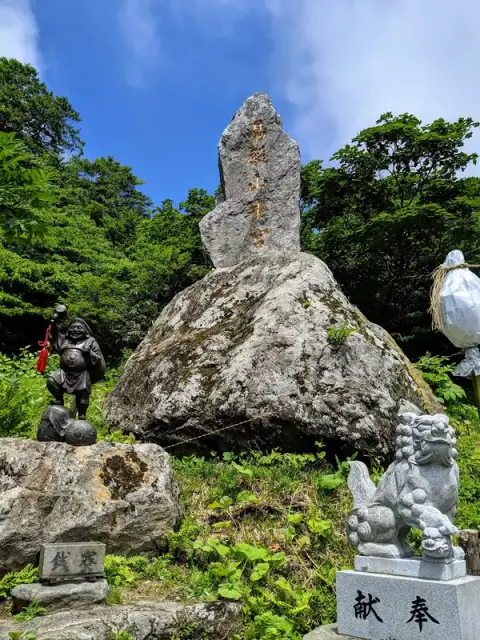
The inner sanctum of the Dewa Sanzan, governed by the strict sacred rule: "Speak not, ask not." Honoring this custom, Basho wrote little in prose, offering only the poignant verse: *"Beyond words / at Yudono I wet my sleeves / with tears."* Overcome by mystery, he could only weep in quiet reverence.
〒997-0532 山形県鶴岡市田麦俣十里山7 鶴岡市田麦俣六
SPOT
Sakata (Hiyoriyama Park)
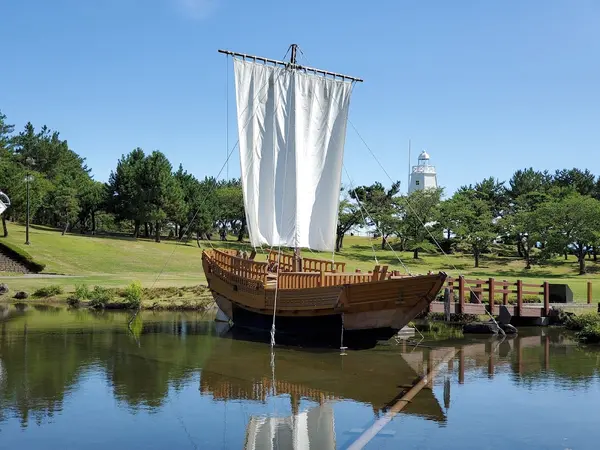
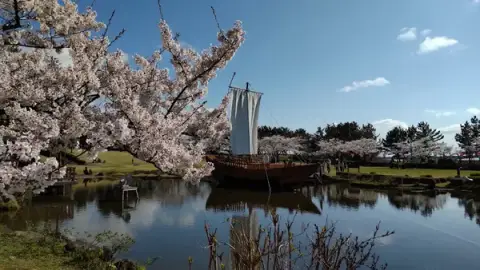
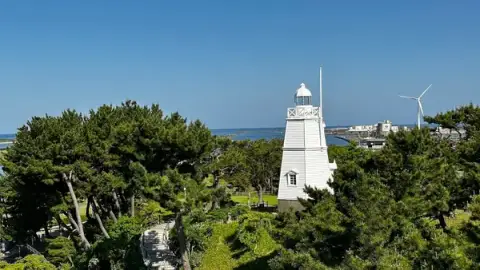
The port town of Sakata, where the Mogami River empties into the Sea of Japan. Basho captured the magnificent sunset here: *"The scorching sun / swept into the sea / by the Mogami River."* A monument inscribed with the poem stands in Hiyoriyama Park overlooking the harbor.
〒998-0063 山形県酒田市南新町1丁目10
SPOT
Kisakata (Kanman-ji Temple)
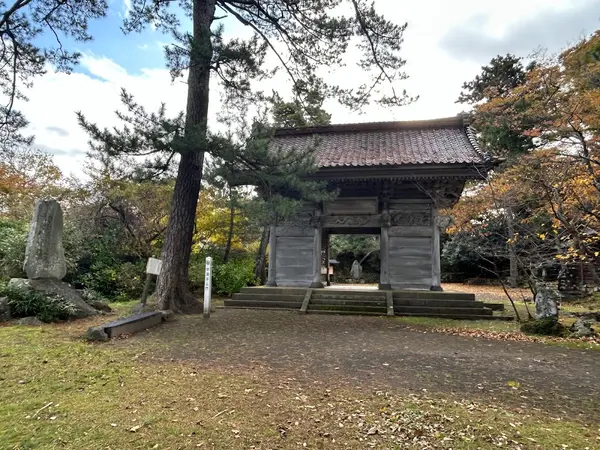
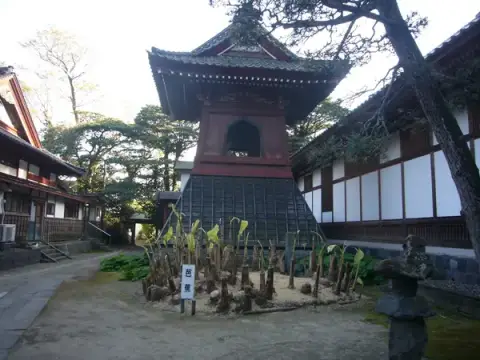
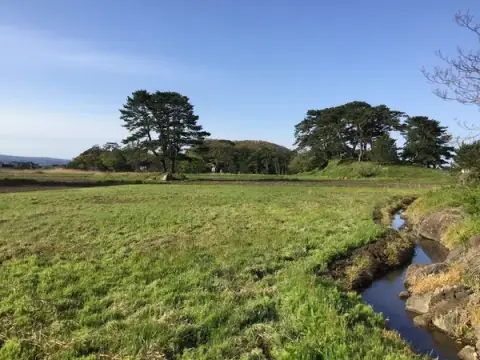
The northernmost point of Basho's journey. At the time, this scenic lagoon rivaled Matsushima in fame. Basho wrote: *"Kisakata in the rain / like the beauty Xi Shi / silk tree blossoms weeping."* An earthquake in 1804 lifted the lagoon bed, transforming the once watery landscape into sprawling rice paddies.
〒018-0122 秋田県にかほ市象潟町象潟島2
SPOT
Izumozaki (Rough Sea & Sado Island View)
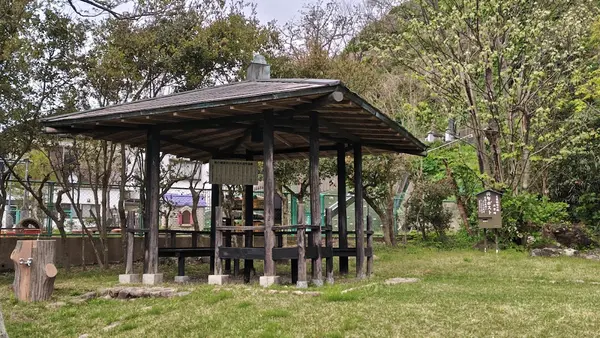
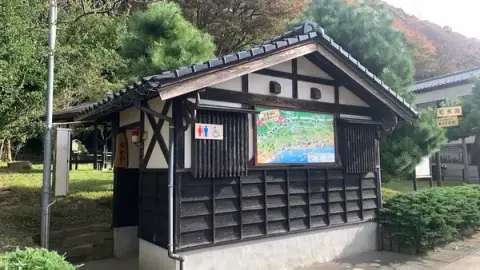
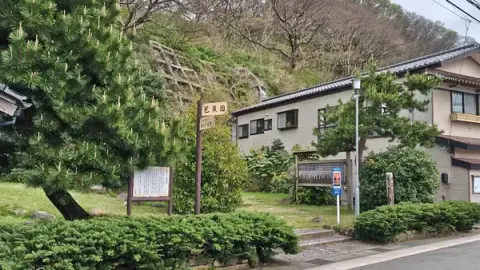
Looking out over the Sea of Japan toward Sado Island at sunset, Basho composed one of his most grand and cosmic verses at Izumozaki: *"Rough seas / stretching across to Sado / the River of Heaven (Milky Way)."*
〒949-4307 新潟県三島郡出雲崎町住吉町556
SPOT
Ichiburi Checkpoint
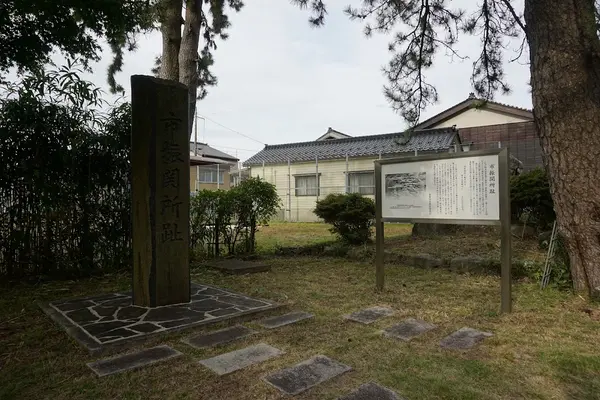
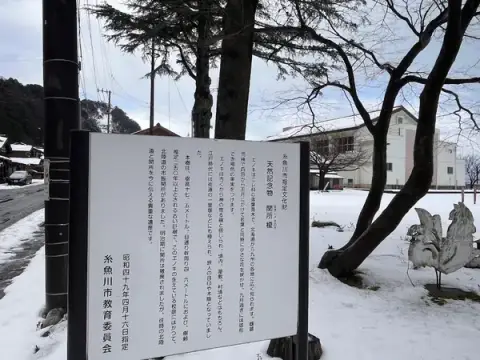
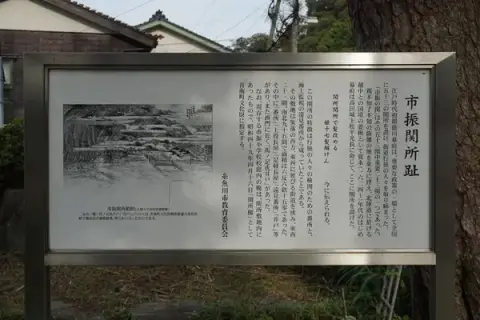
A post town on the border between Echigo and Etchu provinces. Basho stayed at an inn where courtezans traveling on pilgrimage to Ise happened to lodge in the neighboring room: *"Under one roof / courtesans also sleep / bush clover and the moon."* Two completely contrasting walks of life briefly crossing paths under the same roof.
〒949-0111 新潟県糸魚川市市振687
SPOT
Kanazawa (Kenroku-en)
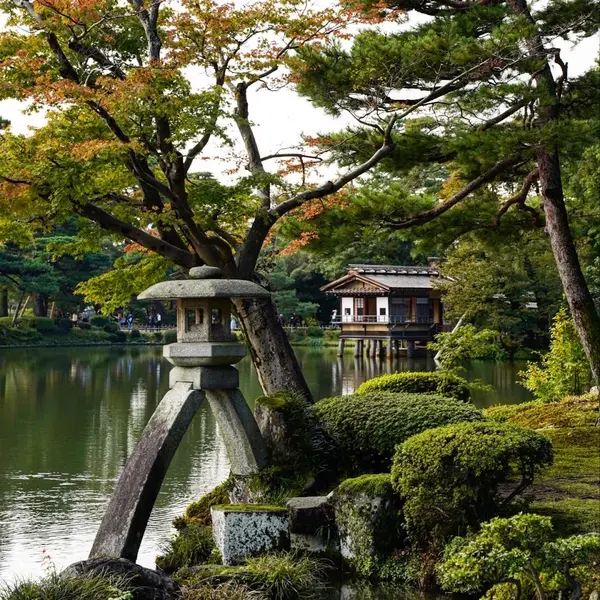
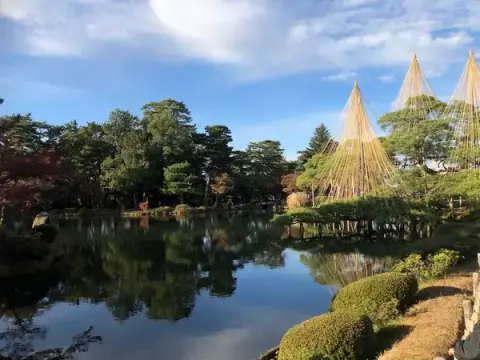
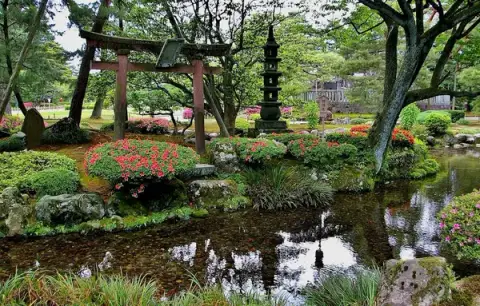
Basho spent nine days in Kanazawa. Upon learning that his disciple Issho—whom he had longed to meet—had already passed away, he grieved deeply: *"Move, O burial mound / my weeping voice / is the autumn wind."* This pin is set at Kanazawa's iconic Kenroku-en garden.
〒920-0936 石川県金沢市兼六町1
SPOT
Tada Shrine (Komatsu)
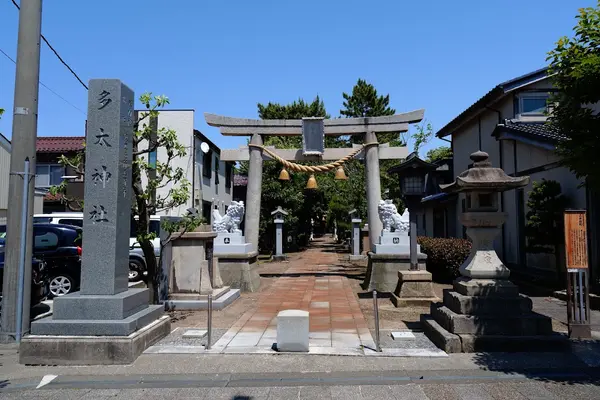
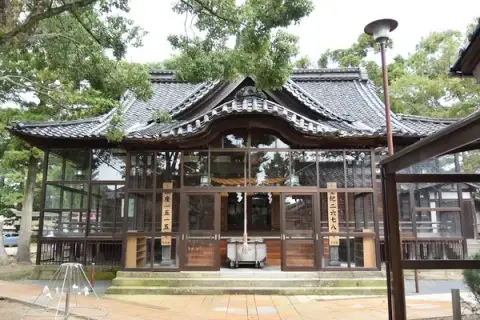
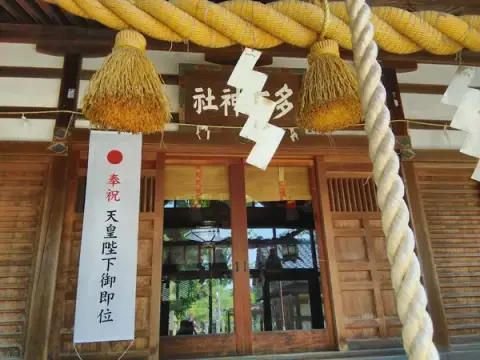
This shrine preserves the helmet of Saito Betto Sanemori, an elderly warrior who dyed his white hair black before riding into battle so as not to be pitied in defeat. Gazing upon the helmet, Basho mourned: *"How pitiful / beneath the battle helmet / a cricket chirps."*
〒923-0955 石川県小松市上本折町72
SPOT
Yamanaka Onsen (Basho no Yakata)
At the renowned hot spring of Yamanaka Onsen, Basho praised the healing waters: *"At Yamanaka / no need to pluck chrysanthemums / the fragrance of the hot spring is enough."* Here, his longtime traveling companion Sora fell ill and had to depart ahead alone—making this the emotional parting place of the two travelers. The Basho no Yakata museum commemorates their stay.
〒922-0115 石川県加賀市山中温泉本町2丁目86−1
SPOT
Kehi Shrine (Tsuruga)
The head shrine of the Hokuriku region. Basho arrived in Tsuruga on the night of the harvest moon, writing: *"The harvest moon / but the weather of the north / is unpredictable."* The white sand within the shrine grounds looks especially ethereal in the moonlight.
〒914-0075 福井県敦賀市曙町11−68
SPOT
Ogaki (The Ending Place of Oku no Hosomichi)
The grand finale of Basho's 150-day journey. After reuniting with waiting disciples in Ogaki, he boarded a boat toward Ise, closing the travelogue with the heartfelt poem: *"Like a clam / parting shell from flesh / autumn departs."* You can retrace his entire epic route at the nearby memorial museum.
〒503-0923 岐阜県大垣市船町2丁目26−1