Tracing the Nozarashi Kiko: Basho's First Journey
MAP ・ 6 SPOTS
Tracing the Nozarashi Kiko: Basho's First Journey
In the autumn of 1684 (Jokyo 1), Matsuo Basho set out from Edo after writing, "Determined to be a weathered skeleton, the wind pierces my body." At age 41, this was his first major journey—one he began fully prepared to perish along the roadside. Traveling westward along the Tokaido road, he encountered an abandoned child by the Fuji River, watched whitebait in Kuwana, and found wild violets in Otsu. Trace the landscapes that gave birth to his later masterpieces. *Places like Ise, Iga, and Yoshino are covered in other maps (Oi no Kobun / Iga), so this map focuses on spots unique to the Nozarashi Kiko (The Records of a Weather-Exposed Skeleton).
2026.08.25
·Total ~391km
SPOT
Fuji River (Abandoned Child Haiku)
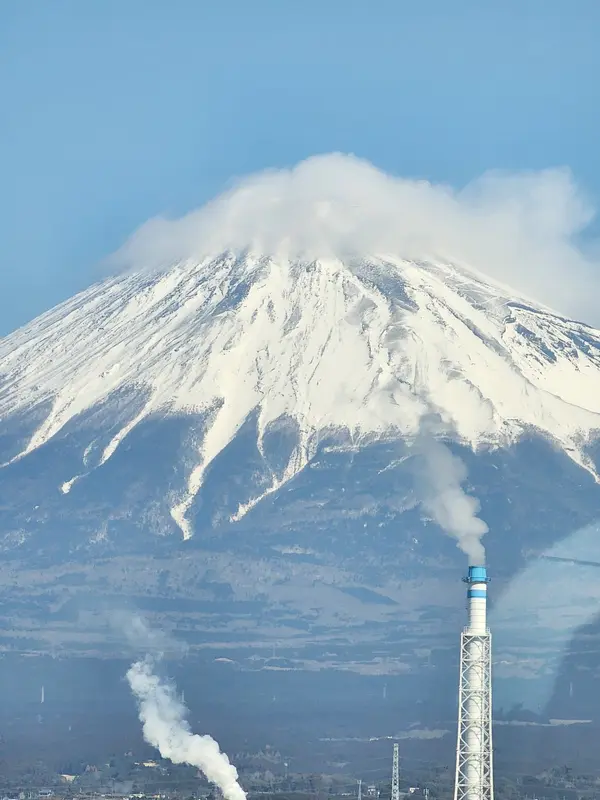
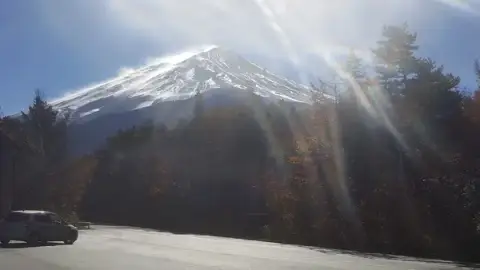
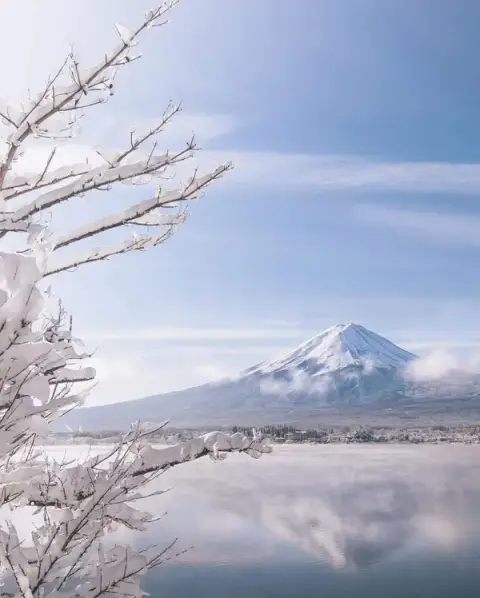
Having left Edo prepared to die on the road, Basho came across a crying child abandoned on the banks of the Fuji River. He composed: "Those who listen for the cries of monkeys, how do they hear an abandoned child in the autumn wind?"—questioning poets who weep at distant monkey cries in Chinese poetry while turning a blind eye to real-life tragedy before them.
静岡県富士市
SPOT
Sayo no Nakayama Pass
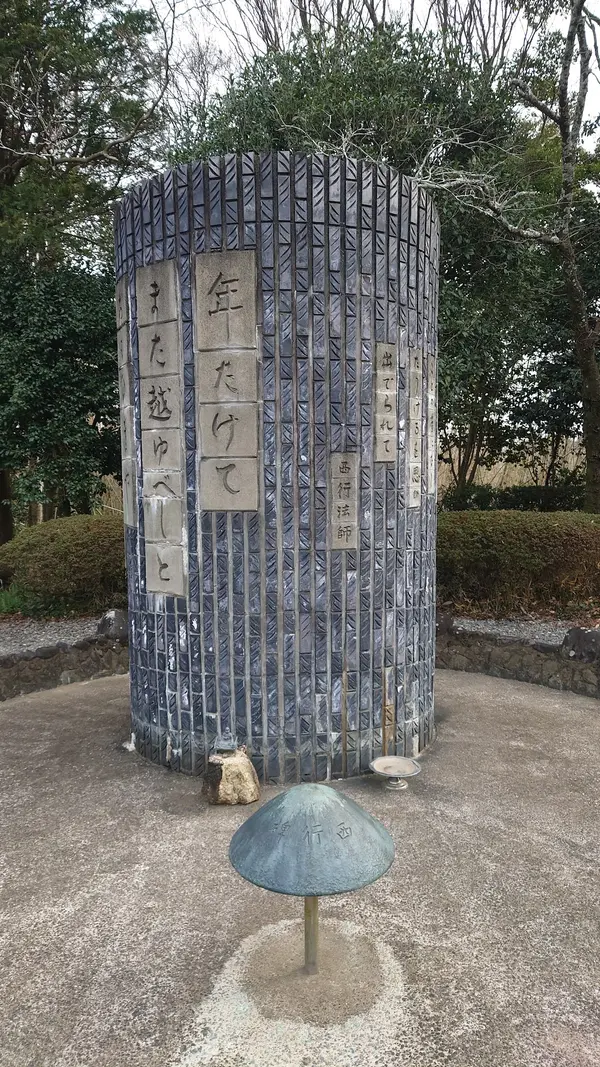
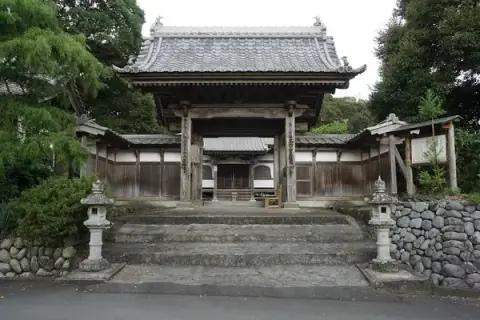
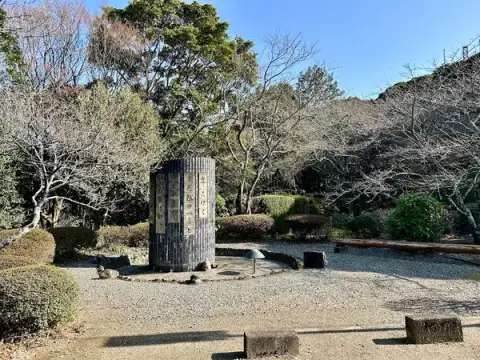
Sayo no Nakayama Pass is a notoriously steep spot along the Tokaido, famed in classical poetry. Crossing it while nodding off on horseback, Basho wrote: "Asleep on horseback, a lingering dream, the distant moon and smoke of morning tea"—capturing a half-waking moment with the fading moon and the smoke rising from village hearths.
〒436-0002 静岡県掛川市佐夜鹿
SPOT
Kuwana (Shichiri-no-Watashi Ferry Ruins)
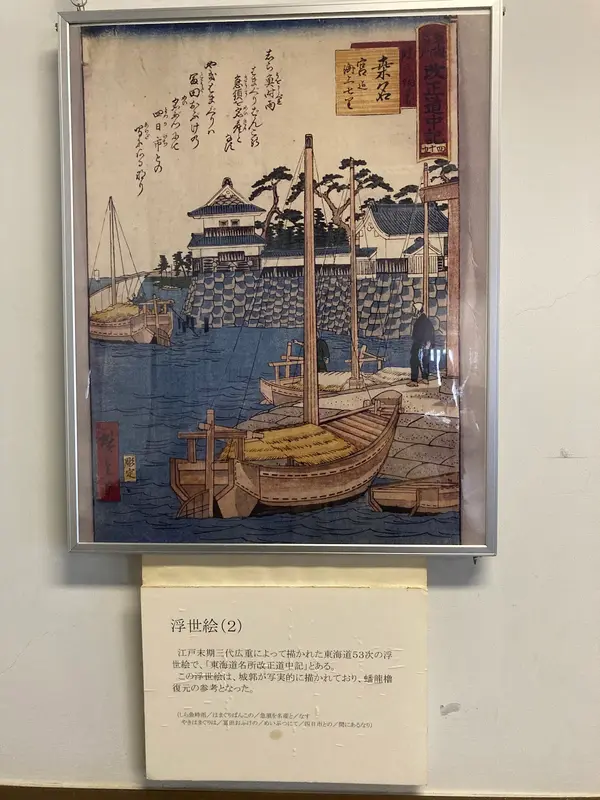
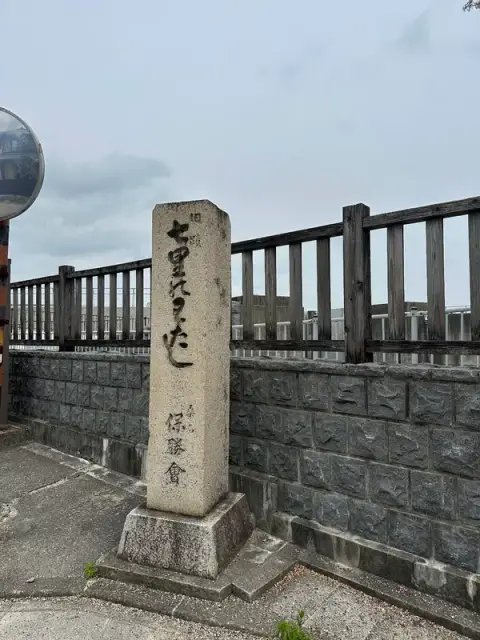
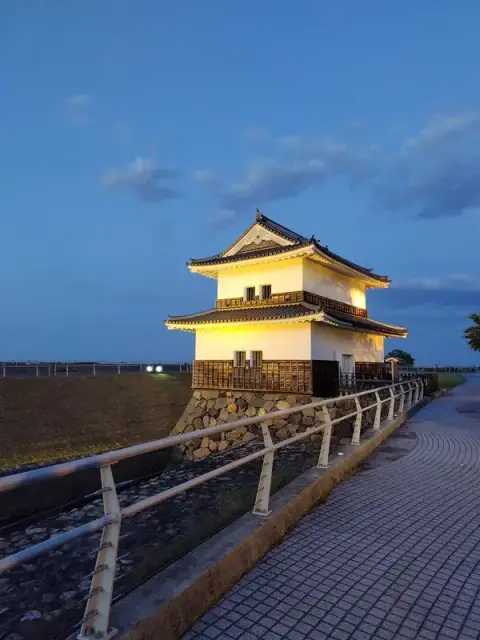
Kuwana was a port town connected to Atsuta across the sea by the Shichiri Ferry. Seeing freshly caught whitebait on the shore at daybreak, he composed: "At dawn, the whitebait: a single inch of pure white." The poem captures the translucent sparkle of the tiny fish bathed in the early morning light.
〒511-0011 三重県桑名市東船馬町
SPOT
Osaka Barrier (Otsu)
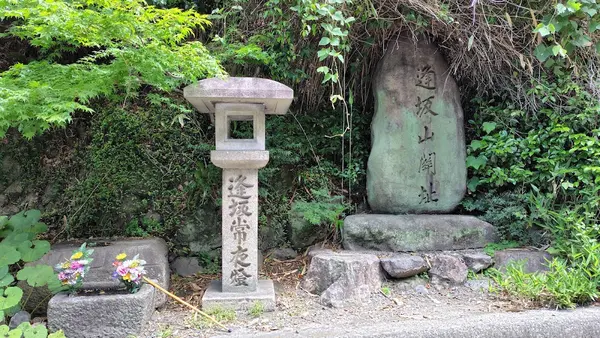
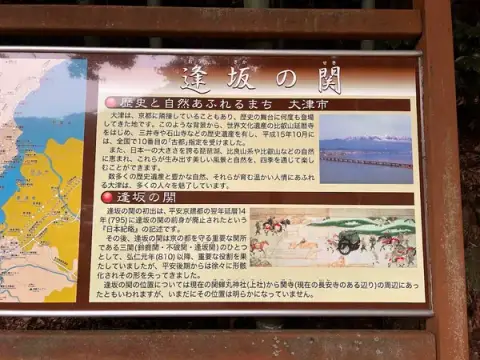
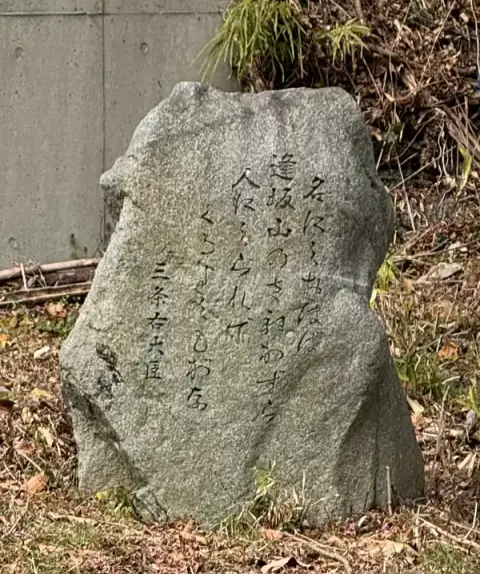
The Osaka Barrier is a legendary checkpoint and poetic landmark separating Kyoto and Omi. On the mountain path descending into Otsu, Basho paused at the sight of a humble violet blooming quietly along the roadside, writing: "Coming along the mountain path, somehow so charming—a wild violet." He felt an inexplicable, deep attraction to its quiet beauty.
〒520-0062 滋賀県大津市逢坂22
SPOT
Ogaki (Visiting Tani Bokuin)
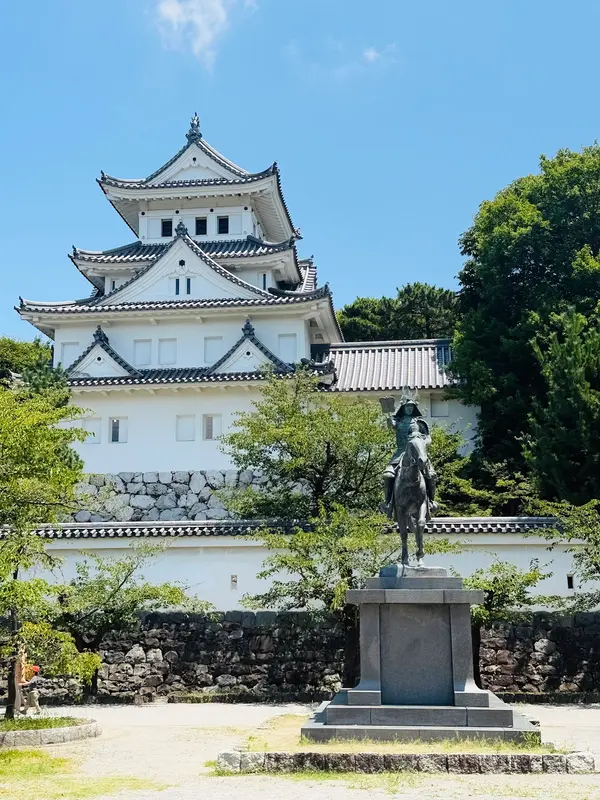
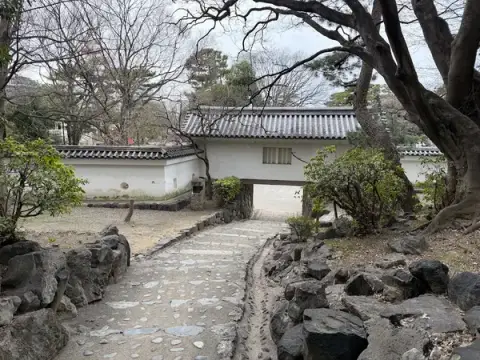
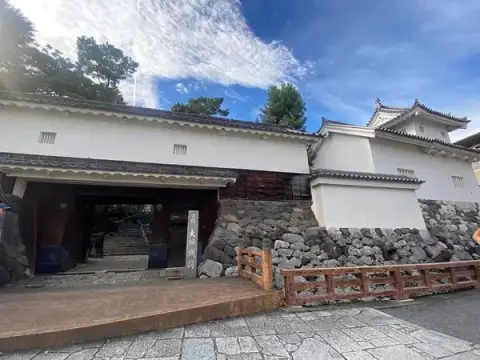
In Ogaki, Basho was welcomed by his old friend and fellow haiku poet, Tani Bokuin. Relieved to have survived the long journey, he wrote: "Not having died, the end of my travels—an autumn evening." Ogaki would later become famous as the final destination of his masterpiece, The Narrow Road to the Deep North.
〒503-0887 岐阜県大垣市郭町2丁目52
SPOT
Atsuta Jingu Shrine
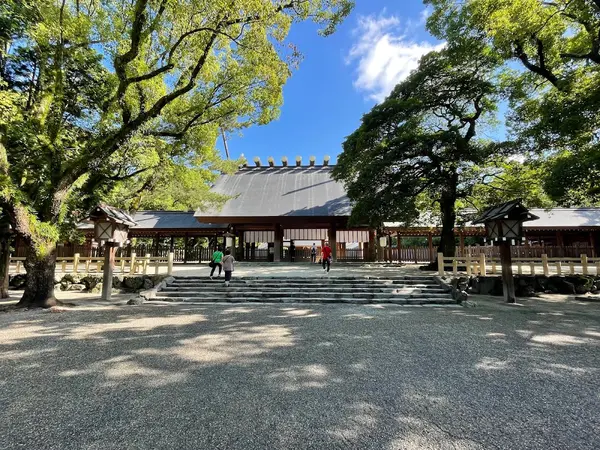
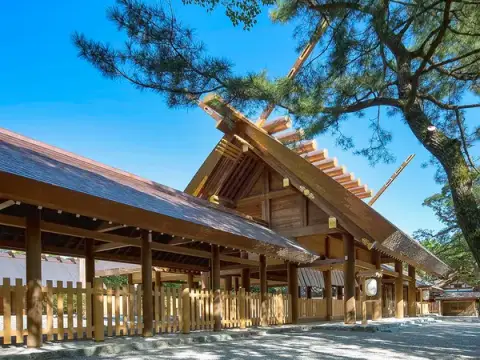
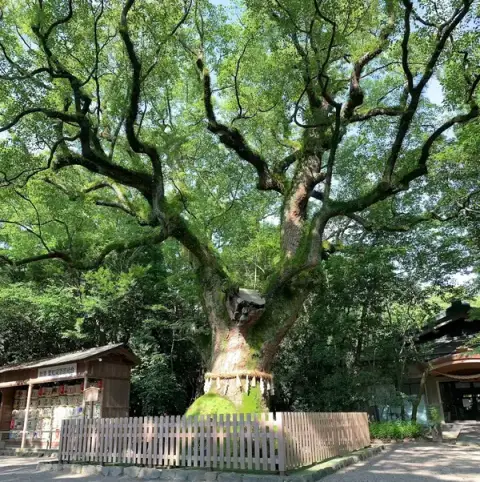
At the time, Atsuta Jingu had fallen into disrepair. Standing before the desolate shrine grounds, Basho composed a haiku expressing the loneliness of buying rice cakes and staying the night where even the hare's-foot ferns had withered away (the shrine pavilions were later rebuilt).
〒456-8585 愛知県名古屋市熱田区神宮1丁目1−1