Retracing The Narrow Road to the Deep North: 15 Iconic Spots Where Basho Paused
MAP ・ 15 SPOTS
Retracing The Narrow Road to the Deep North: 15 Iconic Spots Where Basho Paused
In the spring of 1689, master haiku poet Matsuo Basho set off from Fukagawa with his disciple Sora on a 150-day, 2,400-kilometer journey through Tohoku and the Hokuriku region. The verses he composed along the way still echo across Japan's landscapes today—from Hiraizumi's "Summer grasses / all that remains of warriors' dreams" to Yamadera's "Silence / sinking into the rocks, the cicada's cry," and the roaring Mogami River. Follow his legendary route chronologically, from his departure in Fukagawa to the journey's end in Ogaki, focusing on monuments, temples, and memorial halls you can visit today.
2026.08.21
·Total ~1,228km
SPOT
Site of Saita-an
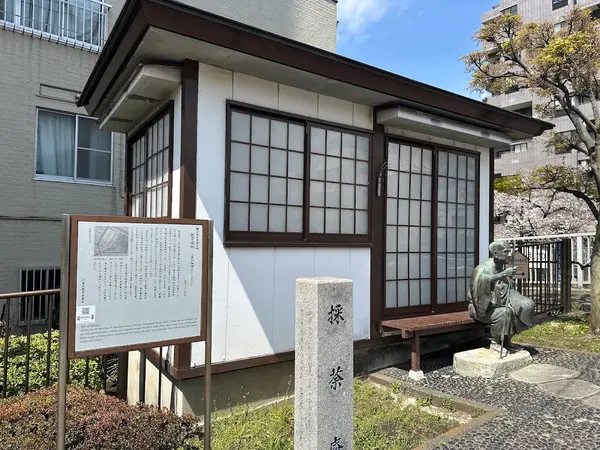
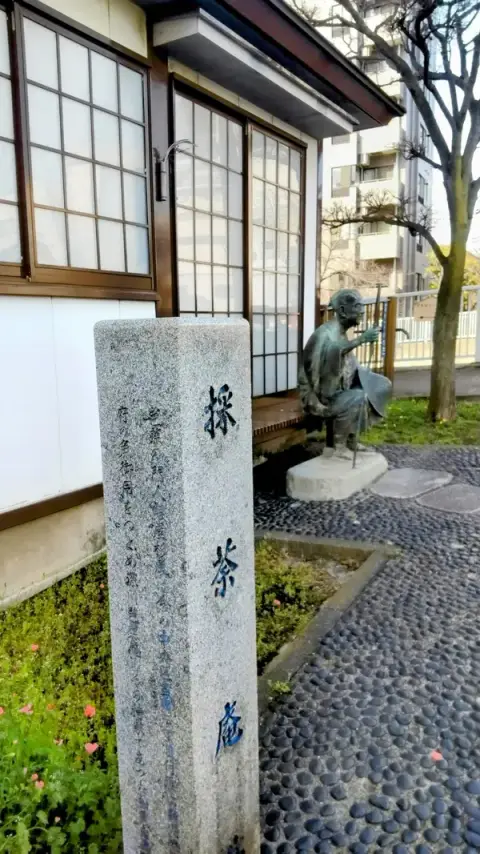
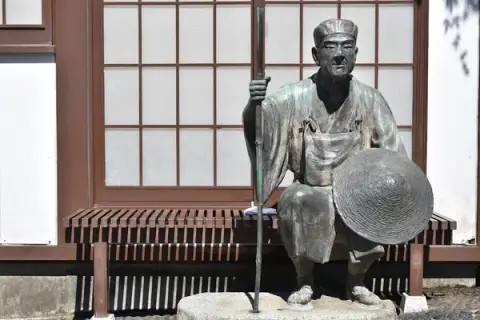
In 1689, Basho set off on his epic journey right here from Saita-an (the villa of his disciple Sanpu) in Fukagawa. He parted with his friends with the bittersweet verse: "Spring passes / birds weep and the eyes of fish are tearful." A bronze statue of Basho in traveling attire stands near the foot of Umibe Bridge.
〒135-0033 東京都江東区深川1丁目11−11
SPOT
Nikko Toshogu Shrine
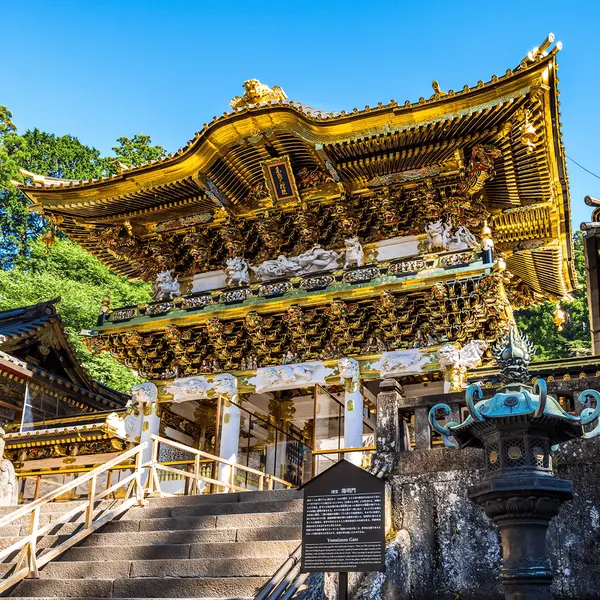
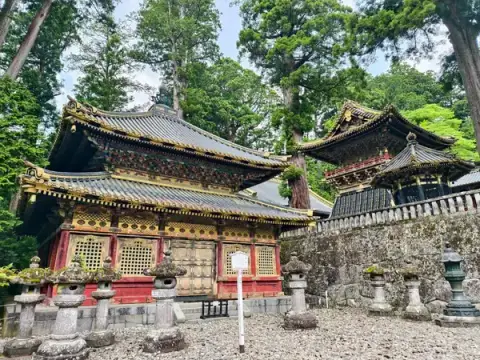
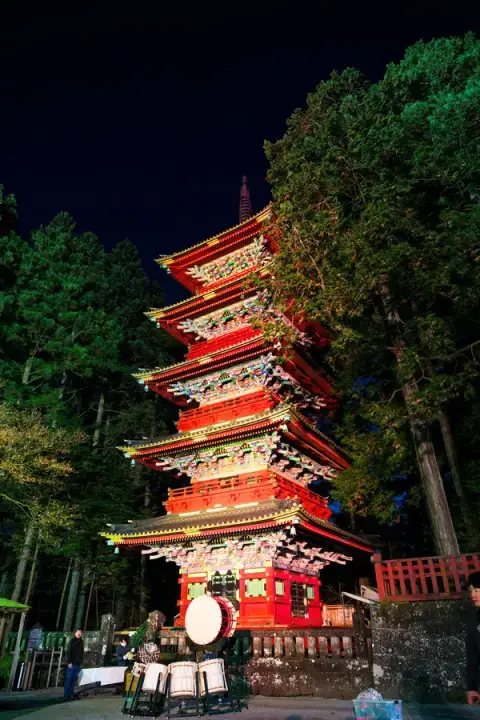
Early in his journey at Mount Nikko, Basho composed: "How awe-inspiring / green leaves, young leaves, shining in the sunlight." The verse weaves the radiant beauty of fresh spring greenery with the sacred prestige of Tokugawa Ieyasu enshrined here.
〒321-1431 栃木県日光市山内2301
SPOT
Shirakawa Barrier Ruins
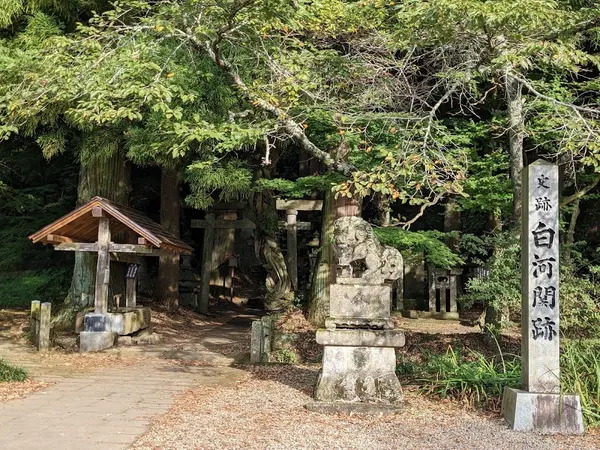
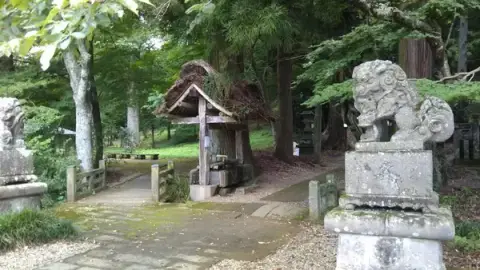
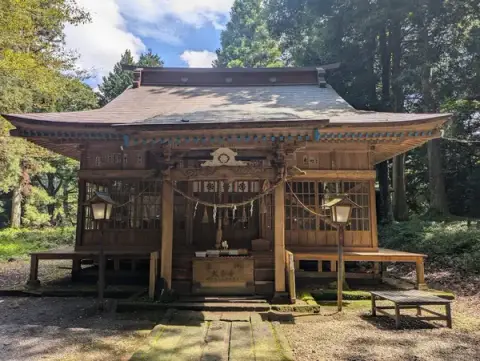
Historically celebrated as the poetic gateway to the deep north (Michinoku). Basho noted: "With uneasy days piling up, reaching Shirakawa Barrier finally settled my traveling spirit." Crossing this checkpoint marked the true start of his northern expedition.
〒961-0038 福島県白河市旗宿関ノ森 白河の関
SPOT
Matsushima (Godaido Temple)
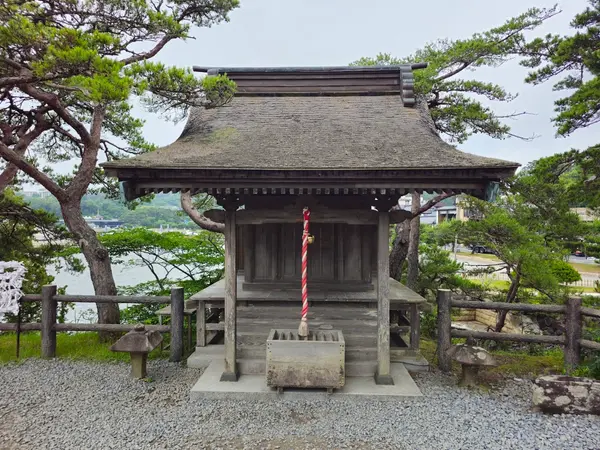
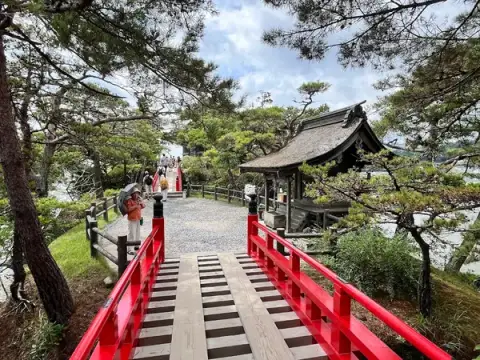
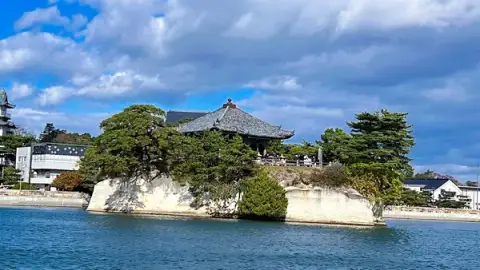
One of Japan's Three Great Views. Legend has it that Basho was so overwhelmed by its beauty that he couldn't even compose a verse (the famous "Matsushima ya..." was penned by a later poet). His traveling companion Sora wrote one instead. Godaido Temple, standing proudly over the bay, remains the area's iconic symbol.
〒981-0213 宮城県宮城郡松島町松島町内111
SPOT
Hiraizumi Chuson-ji Konjikido
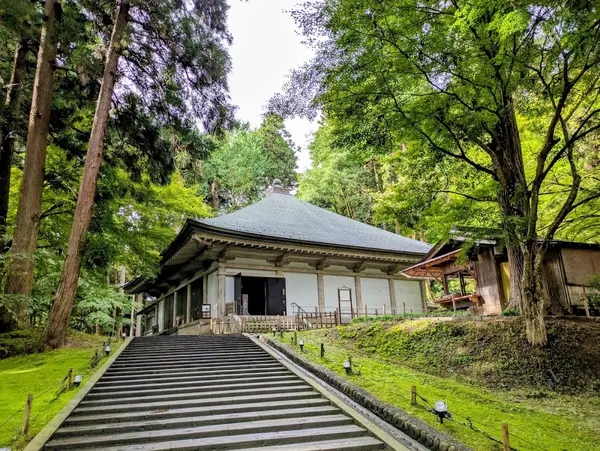
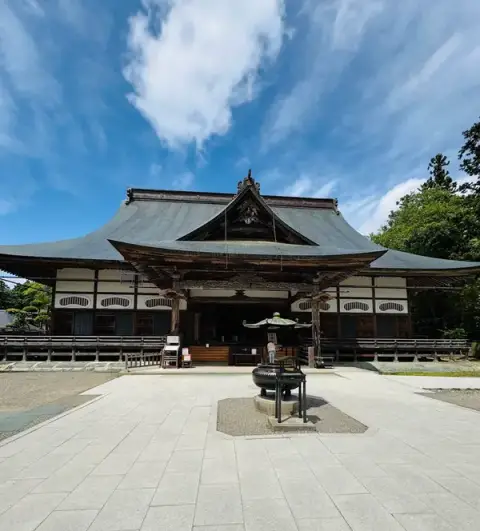
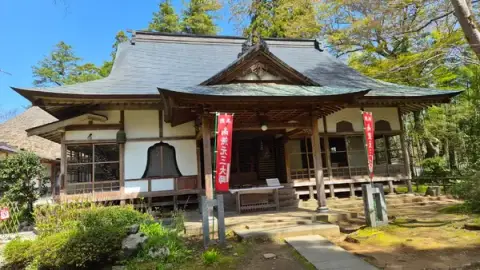
Standing before the Golden Hall, which preserves the glorious heritage of the Northern Fujiwara clan, Basho marvelled: "Have the early summer rains / spared you, Hall of Light?" It is a heartfelt tribute to the golden radiance that survived centuries of storms and decay.
〒029-4102 岩手県西磐井郡平泉町平泉衣関202
SPOT
Takadachi Gikeido
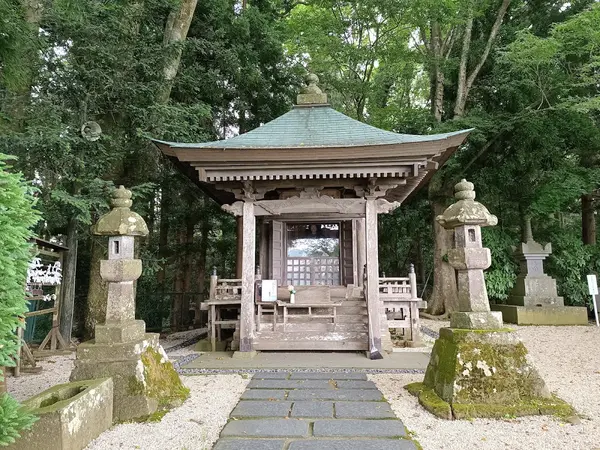
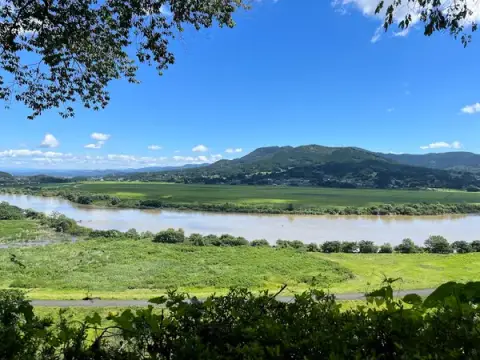
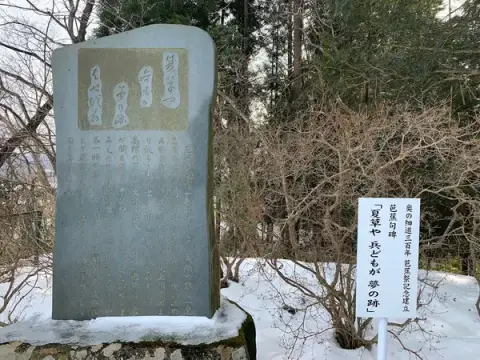
The historic hilltop residence where the legendary warrior Minamoto no Yoshitsune met his tragic end. Overlooking the Kitakami River, Basho shed tears over the overgrown grasses and composed his most famous haiku: "Summer grasses / all that remains of warriors' dreams."
〒029-4102 岩手県西磐井郡平泉町平泉柳御所14
SPOT
Yamadera (Risshaku-ji Temple)
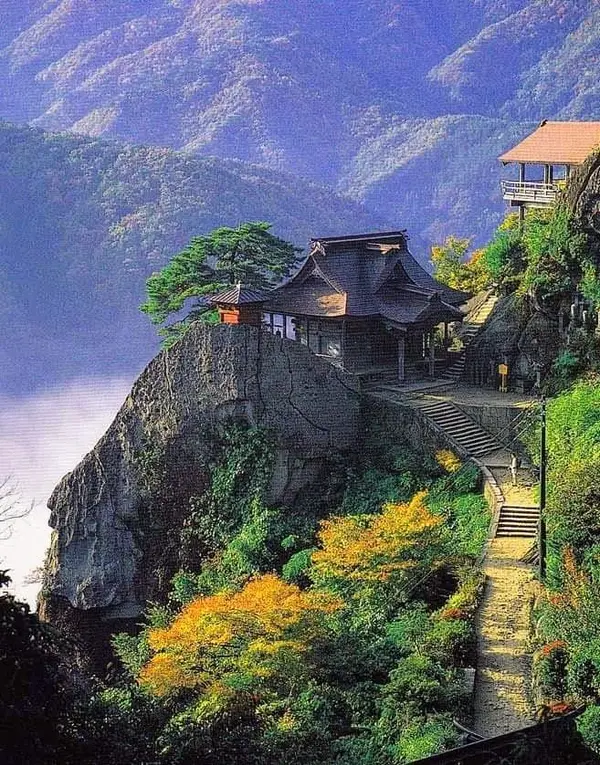
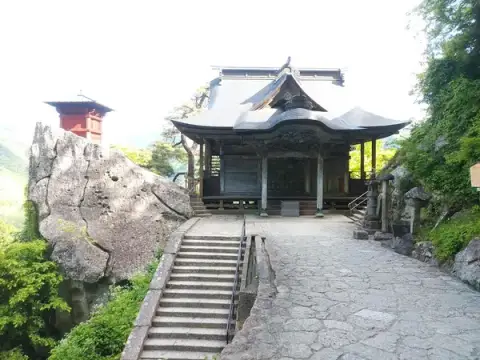
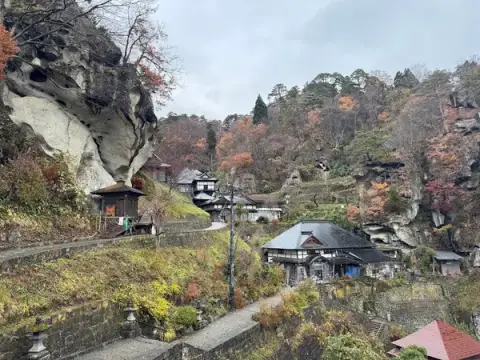
An ancient mountain temple reached by climbing 1,015 stone steps. Enveloped by towering crags and tranquil forest, Basho wrote: "Silence / sinking into the rocks, the cicada's cry." It is one of Japan's best-known haiku, showing how the cicadas' hum only deepens the profound stillness.
〒999-3301 山形県山形市山寺4456−1
SPOT
Mogami River Boat Ride
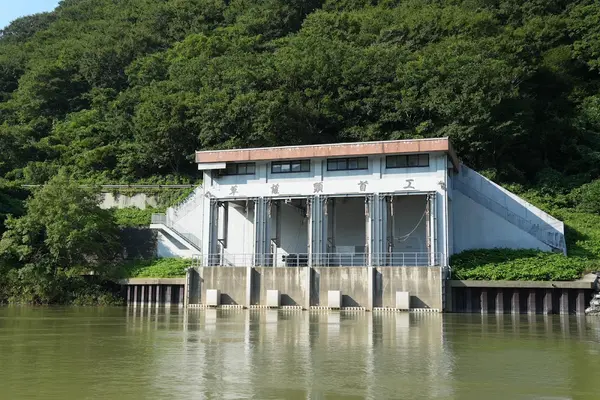
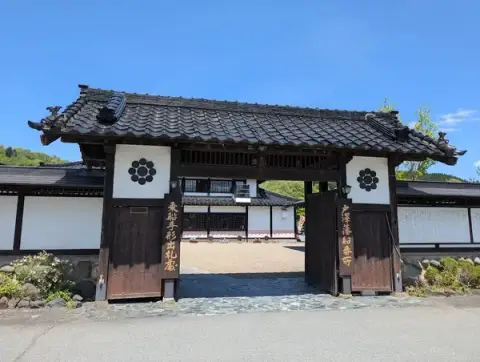
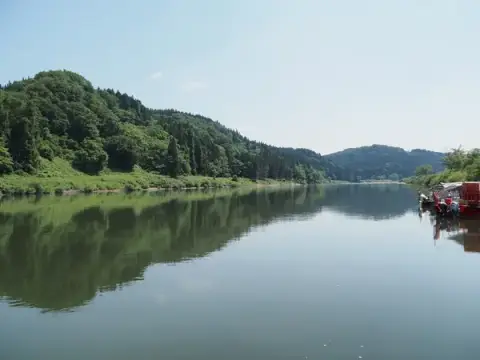
Riding down the river swollen with seasonal rains, Basho captured its rushing power: "Gathering the summer rains / swift and fierce, the Mogami River." You can still take a scenic boat tour down the Mogami Gorge today to feel the river's timeless energy.
〒999-6401 山形県最上郡戸沢村古口86−1
SPOT
Mount Haguro (Dewa Sanzan)
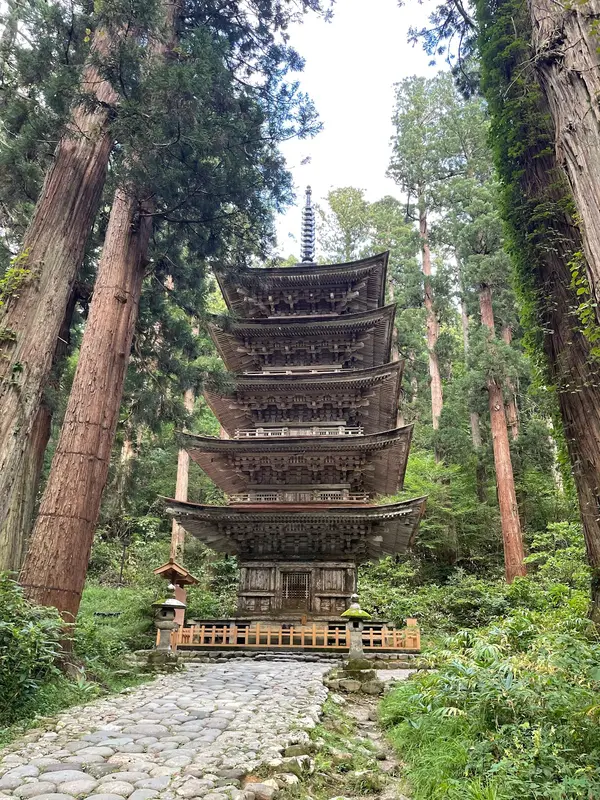
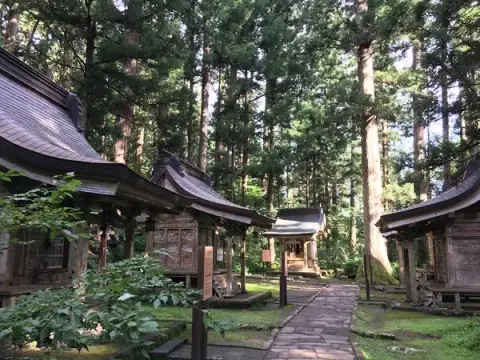
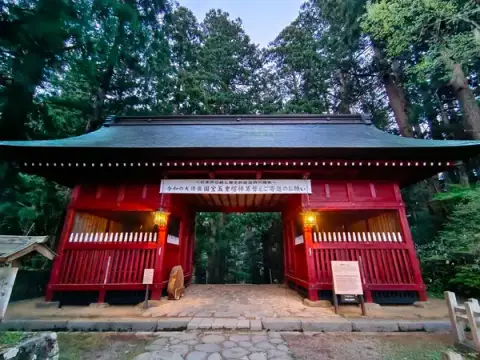
A sacred training ground for mountain ascetics alongside Mount Gassan and Mount Yudono. Basho secluded himself in these mystical mountains and wrote: "Cool freshness / a faint crescent moon over Mount Haguro." A majestic cedar-lined path and a National Treasure five-story pagoda welcome visitors.
〒997-0211 山形県鶴岡市羽黒町手向手向7
SPOT
Kisakata (Kanman-ji Temple)
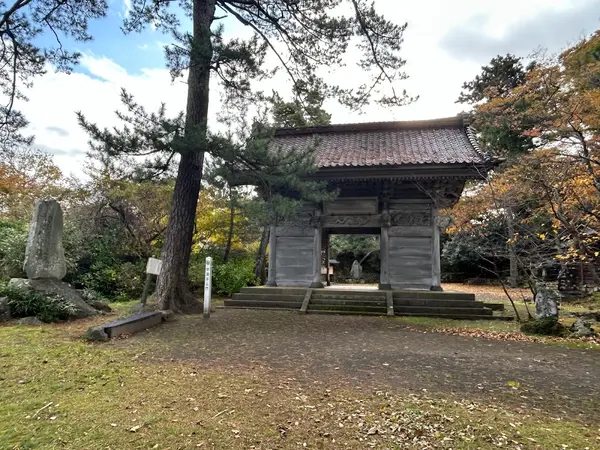
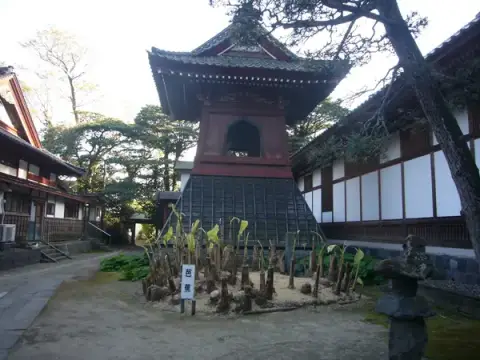
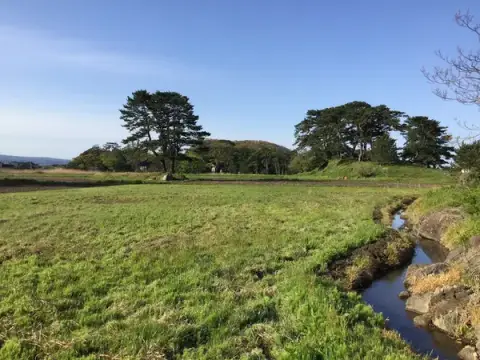
Once celebrated as a lagoon rivaling Matsushima in beauty, Kisakata inspired Basho's verse: "Kisakata in the rain / silk tree blossoms drooping like Xi Shi in sorrow," evoking the melancholic beauty of the legendary Chinese figure. An 1804 earthquake raised the lagoon into farmland, so while the seascape is gone, Kanman-ji Temple preserves its memory.
〒018-0122 秋田県にかほ市象潟町象潟島2
SPOT
Kanazawa (Kenroku-en)
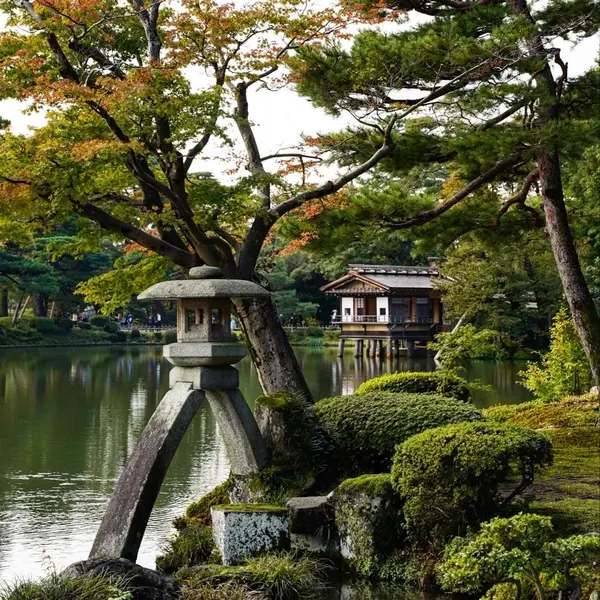
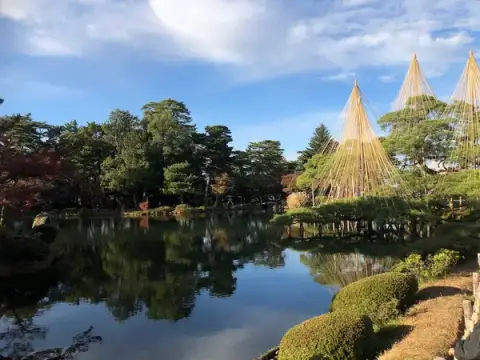
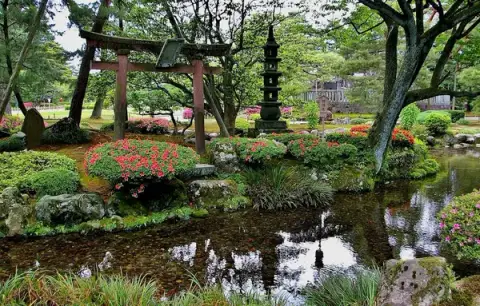
Basho spent nine days in Kanazawa. Upon learning that his devoted disciple Issho had passed away, he grieved: "Shake, oh grave / my weeping voice is the autumn wind." This pin marks Kenroku-en, the city's iconic garden, while monuments to his poems can be found at local temples like Gannen-ji.
〒920-0936 石川県金沢市兼六町1
SPOT
Natadera Temple
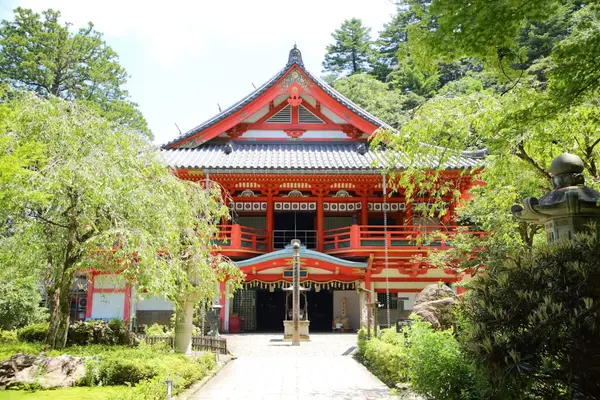
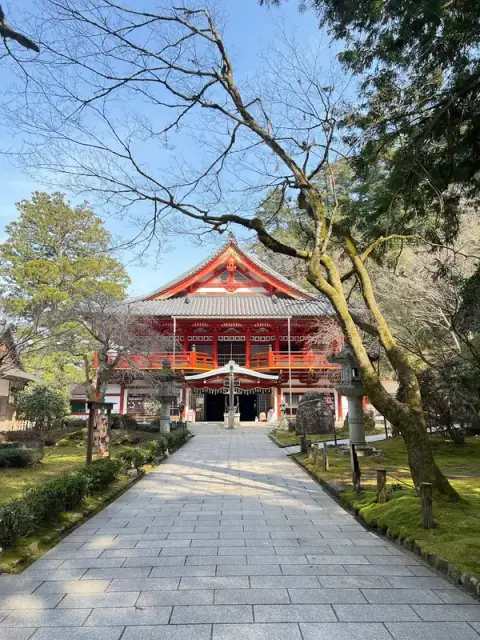
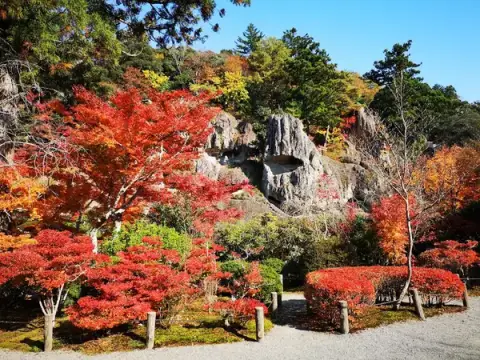
An ancient temple known for its mystical rock caves and sacred scenery. Gazing at the towering white cliff walls, Basho wrote: "Whiter than the stones / of Ishiyama, the autumn wind"—praising the pure, crisp atmosphere of autumn set against the striking white rock.
〒923-0336 石川県小松市那谷町ユ−122
SPOT
Yamanaka Onsen (Basho no Yakata)
At this famed hot spring retreat, Basho praised the mineral waters: "At Yamanaka / no need to pluck chrysanthemums, the scent of the hot spring is enough." It was also the bittersweet spot where his traveling companion Sora had to leave ahead due to poor health. You can explore their history at the Basho no Yakata museum.
〒922-0115 石川県加賀市山中温泉本町2丁目86−1
SPOT
Kehi Jingu Shrine
The premier shrine of the historic Hokuriku region. Arriving under a harvest moon, Basho wrote: "Harvest moon / the northern sky's weather is ever fickle," remarking on how the clear night turned rainy the very next evening. The moonlight gleaming over the shrine's pristine white sand creates a magical scene.
〒914-0075 福井県敦賀市曙町11−68
SPOT
Ogaki (Ending Point of Oku no Hosomichi)
The finish line of Basho's 150-day journey. Reunited with disciples in Ogaki before boarding a boat for Ise, he closed his travelogue with: "Parting like a clam shell and meat / heading off to Futami, autumn departs too." A dedicated memorial museum here lets you look back on the entire legendary route.
〒503-0923 岐阜県大垣市船町2丁目26−1