Retracing Basho's "Oi no Kobumi" — A Journey from Irago to Akashi
MAP ・ 9 SPOTS
Retracing Basho's "Oi no Kobumi" — A Journey from Irago to Akashi
In the winter of 1687, the master poet Matsuo Basho departed Edo for his hometown of Iga, traveling on through Ise, Yoshino, Mount Koya, Wakanoura, and Nara before reaching Suma and Akashi. Recorded in his travelogue "Oi no Kobumi" (Records of a Travel-Worn Satchel), this journey is filled with cherry blossoms, the moon, and tender thoughts of his parents. This story map follows his footsteps across the Kansai region in chronological order, visiting the very spots where his famous haiku were born.
2026.08.23
·Total ~456km
SPOT
Cape Irago
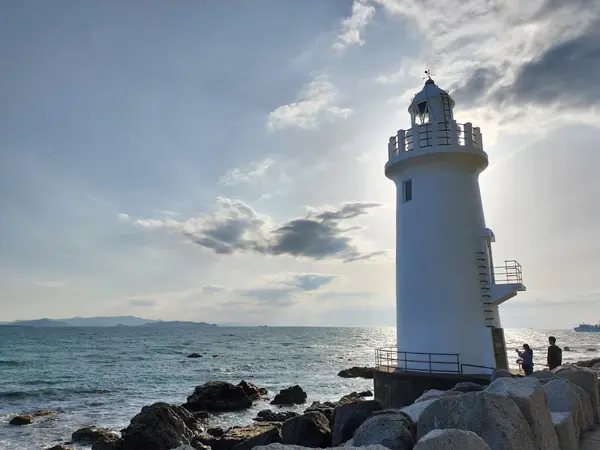
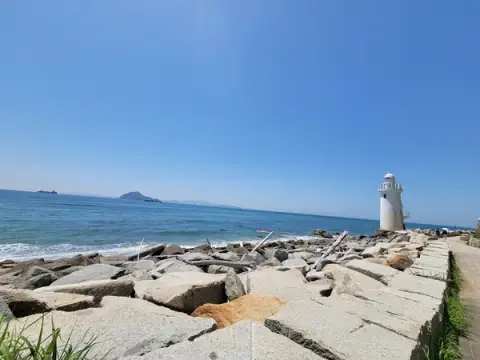
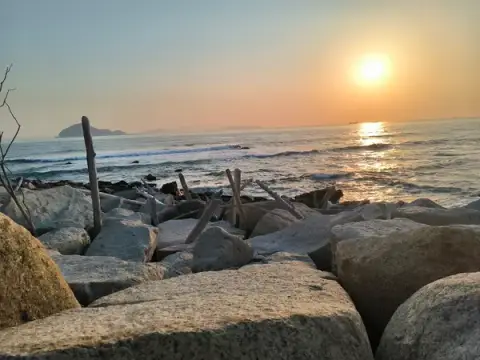
Early in his journey, Basho visited his disciple Tokoku, who was living in exile at the tip of the Atsumi Peninsula. Looking up, he composed: "Delighted to spot a solitary hawk / over Cape Irago"—capturing the pure joy of seeing a single bird soaring across the wide coastal sky.
〒441-3624 愛知県田原市伊良湖町古山
SPOT
Basho's Birthplace (Iga Ueno)
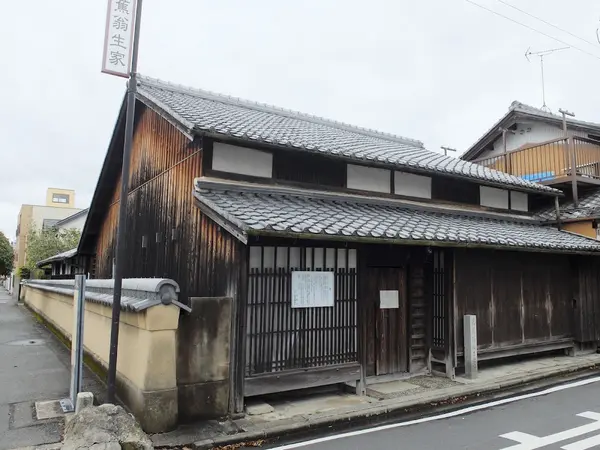
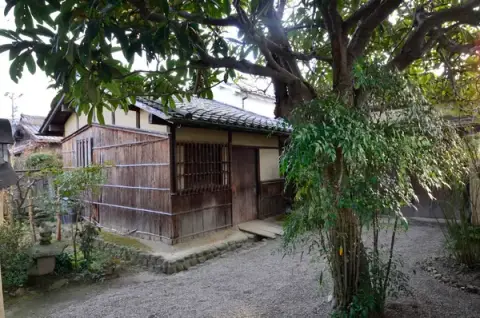
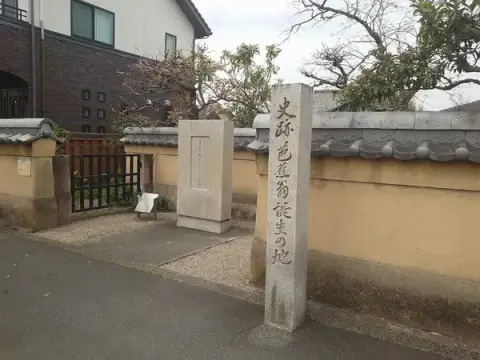
The house where Basho was born and raised. Mid-travel, he returned home to Iga to see in the New Year. "In my hometown / weeping over my umbilical cord / at year's end"—holding the cord preserved from his birth, he wept in remembrance of his late parents. The historic residence still stands in Iga today.
〒518-0871 三重県伊賀市上野赤坂町304
SPOT
Ise Jingu (Naiku)
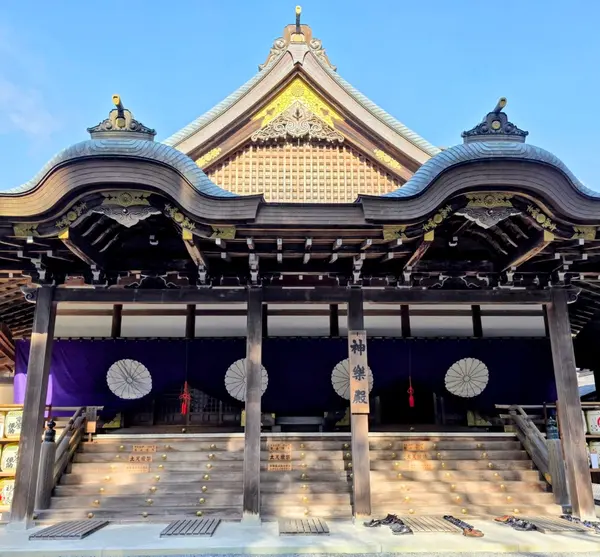
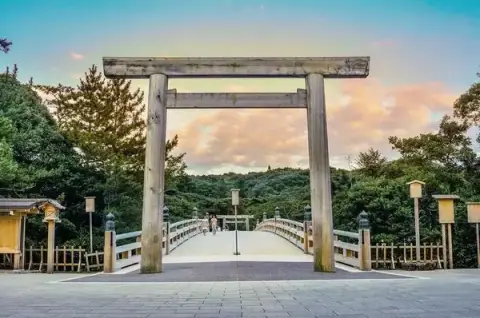
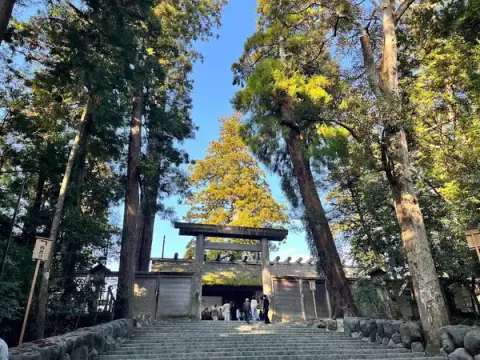
Heading from his hometown toward Ise, Basho was moved by the serene purity of the shrine grounds and wrote: "Not knowing what tree / these blossoms come from / such a fragrance!"—captivated by a mysterious, sweet aroma drifting from an unnamed flowering tree.
〒516-0023 三重県伊勢市宇治館町1
SPOT
Mount Yoshino
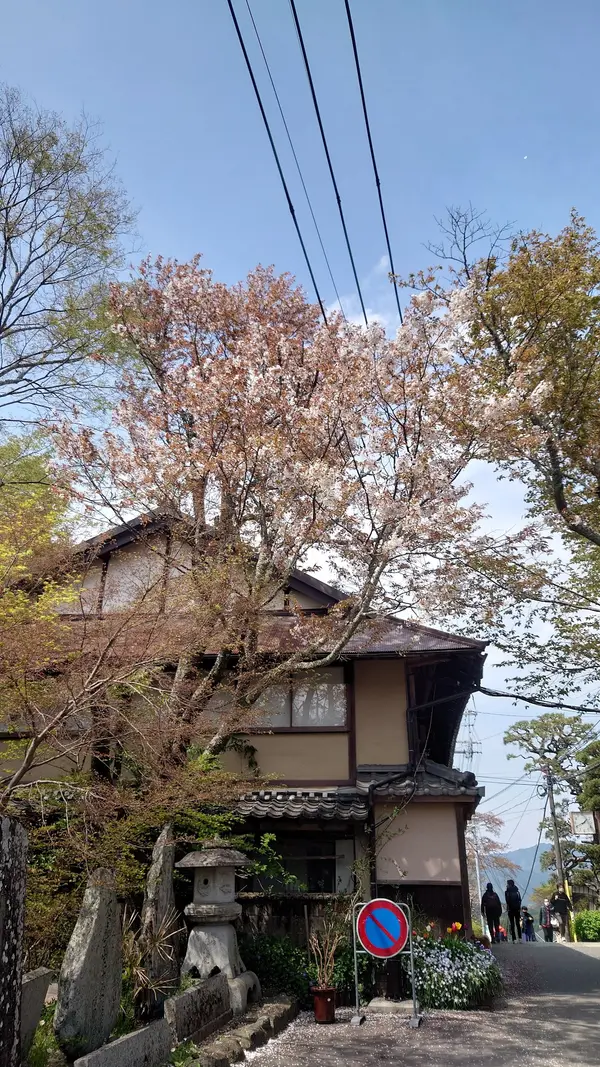
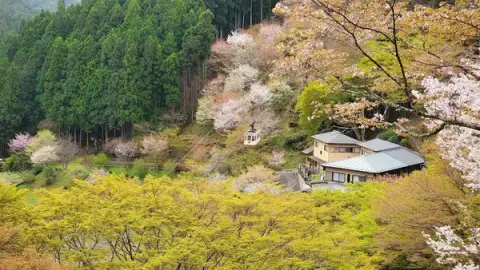
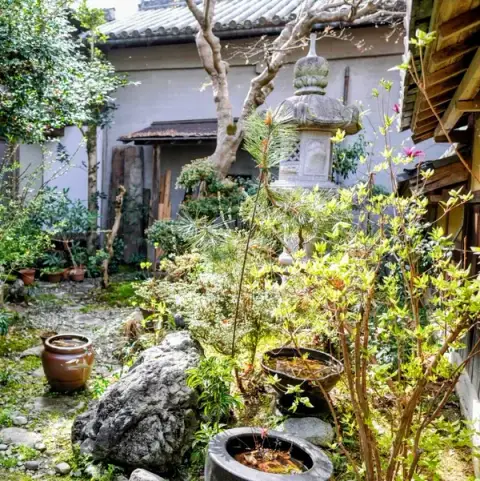
Japan's most famous cherry blossom sanctuary. It is said that Yoshino's sweeping beauty was so overwhelming that Basho could hardly put it into verse. Instead, he simply wandered through the mountain enveloped in full bloom.
〒639-3115 奈良県吉野郡吉野町吉野山
SPOT
Koyasan Okunoin
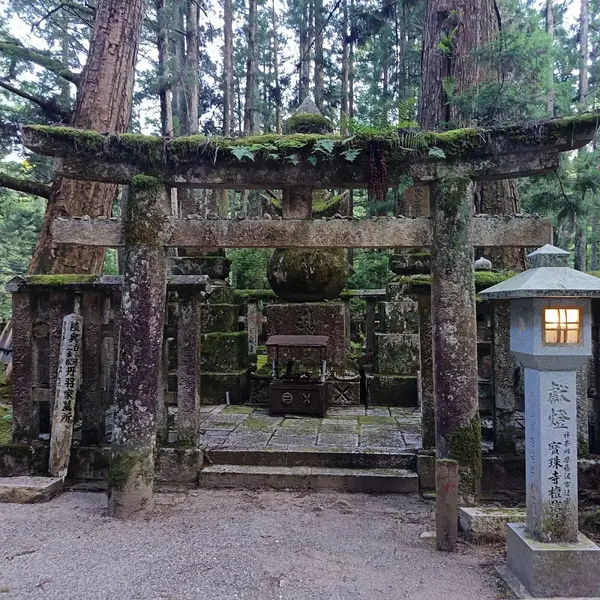
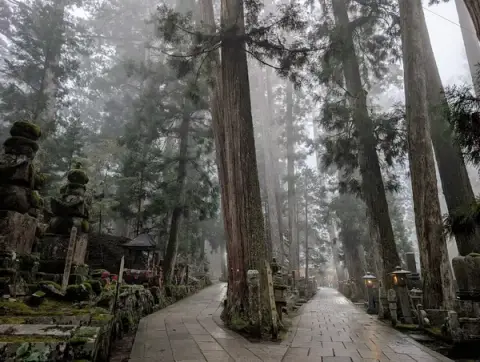
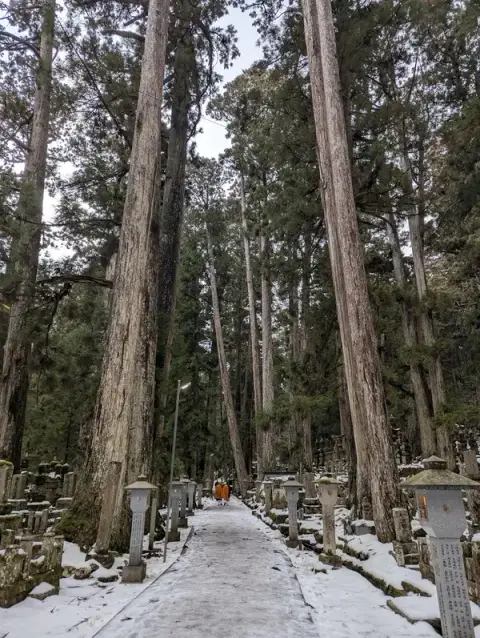
Walking among the ancient towering cedars toward the sacred sanctuary of Kobo Daishi, Basho heard the call of a wild bird: "How I long for my parents / at the pheasant's cry." Filled with deep affection and longing for his departed parents, this remains one of the most touching verses in "Oi no Kobumi."
〒648-0211 和歌山県伊都郡高野町高野山550
SPOT
Wakanoura (Tamatsushima Shrine)
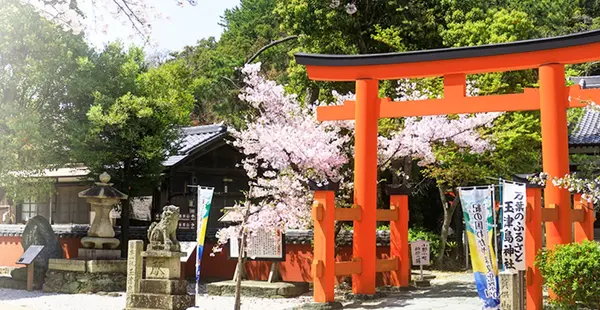
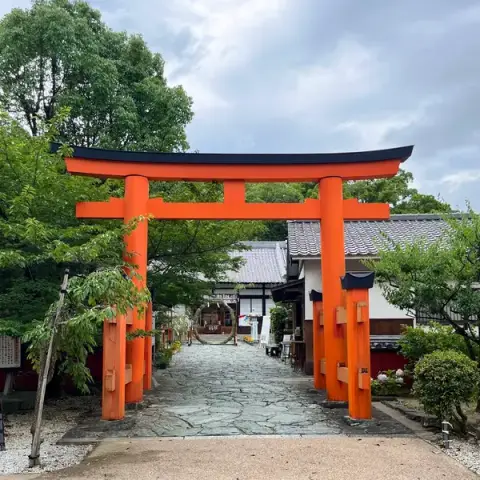
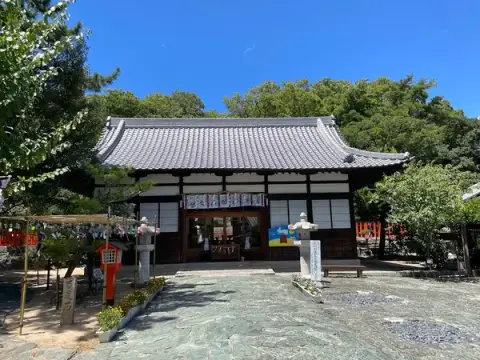
A celebrated poetic landmark since ancient times. After traveling while lamenting the end of spring, Basho felt he had finally caught up with the season here: "Chasing departing spring / I caught up with it / at Wakanoura." Tamatsushima Shrine is dedicated to the deities of waka poetry.
〒641-0025 和歌山県和歌山市和歌浦中3丁目4−26 玉津島神社
SPOT
Nara (Todai-ji & Nara Park)
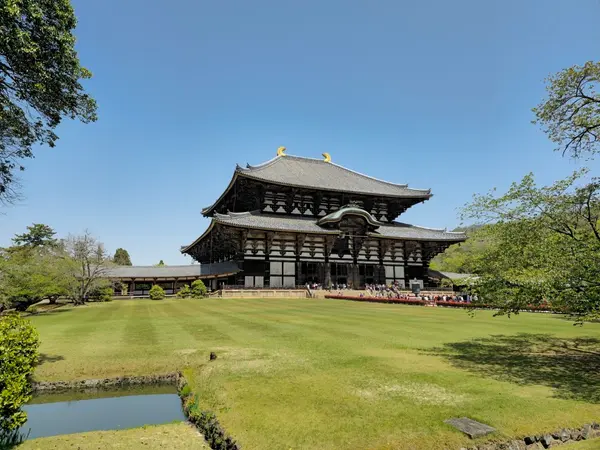
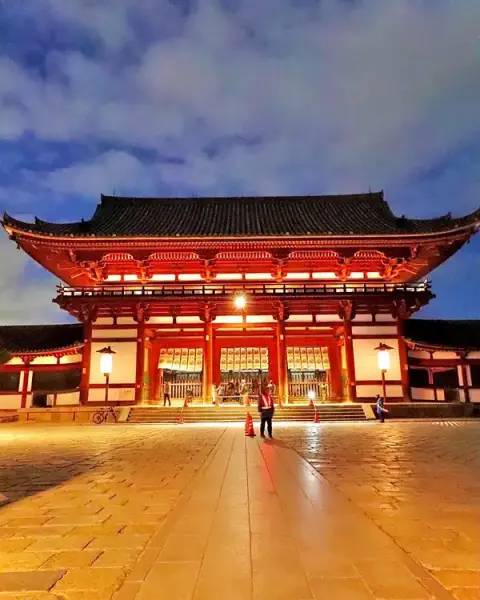
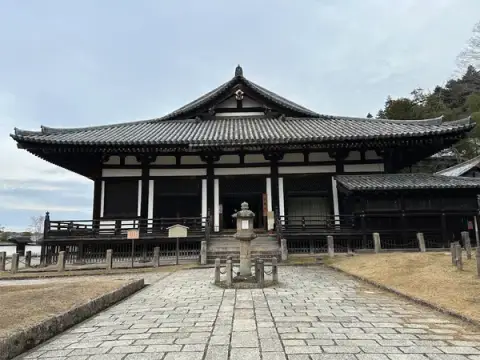
Visiting Nara on the day of the Flower Festival (Buddha's Birthday), Basho came across a newborn fawn and wrote: "Born on the very day / of the Buddha's Birthday / a little fawn." In the ancient capital of the Great Buddha and roaming deer, he quietly celebrated the precious cycle of life.
〒630-8587 奈良県奈良市雑司町406−1
SPOT
Suma-dera Temple
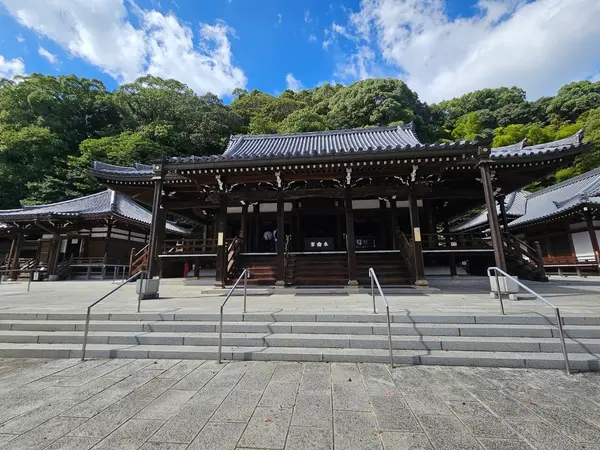
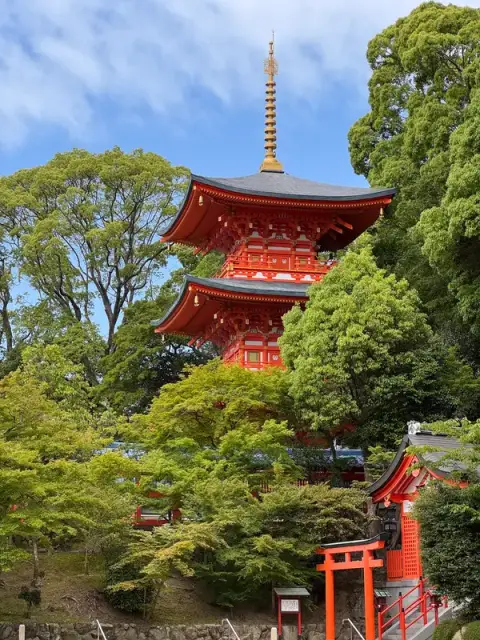
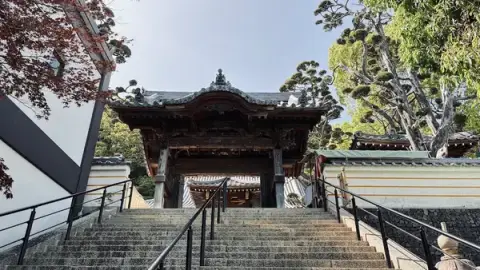
Suma is famous as an ancient battleground of the Genpei War. At Suma-dera, steeped in the tragic legend of the young warrior Taira no Atsumori, Basho composed: "At Suma Temple / hearing an unblown flute / in the tree-shade gloom." A poetic destination full of historic romance.
〒654-0071 兵庫県神戸市須磨区須磨寺町4丁目6−8
SPOT
Akashi (Akashi Park)
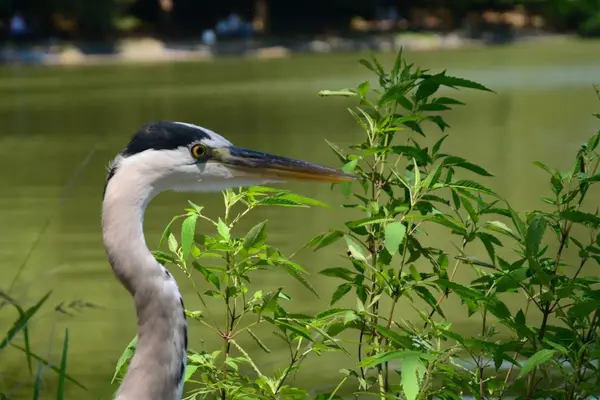
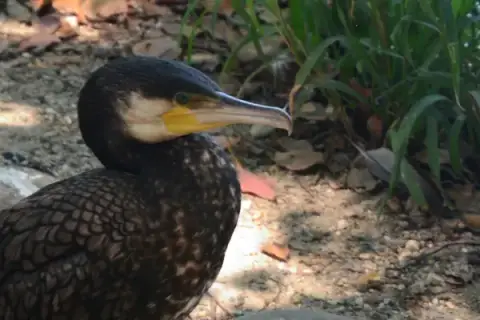
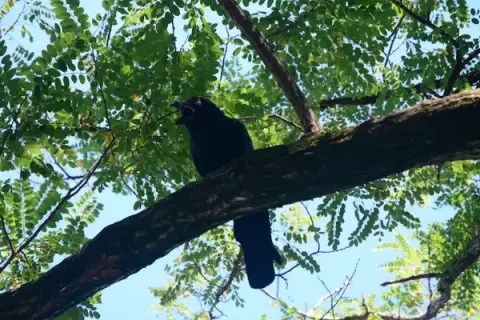
The concluding stop of "Oi no Kobumi." Under the night sky, Basho composed one of his most iconic masterpieces: "Octopus traps / fleeting dreams under / the summer moon"—picturing the octopuses sleeping inside traps to be pulled up at dawn, dreaming unaware beneath the bright summer moon.
〒673-0847 兵庫県明石市明石公園1−27