Visiting Imperial Villas: Royal Retreats and Historical Estates You Can Explore Today
Visiting Imperial Villas: Royal Retreats and Historical Estates You Can Explore Today

An Imperial Villa (Goyo-tei) is a retreat where the Emperor and members of the Imperial Family go to relax. The Imperial Household Agency historically distinguished larger estates as Detached Palaces (Rikyu) and smaller ones as Imperial Villas. Built in scenic locations across Japan starting in the Meiji period, three of these villas—Nasu, Suzaki, and Hayama—are still in active use today. Several former villas have been converted into memorial parks, allowing visitors to walk through their historical architecture and gardens. This map guide introduces the three active villas as well as former retreats you can visit today.
2026.07.25
·Total ~984.9km
日本、〒240-0111 神奈川県三浦郡葉山町一色2038 葉山御用邸
Established in 1894, this is one of the oldest Imperial villas. Located in a warm area overlooking Sagami Bay, the Imperial Family mainly visits here for winter and early spring retreats. It is also known as the place where Emperor Taisho passed away. Rebuilt in 1981 following a fire in 1971, the site of its former annex is now open to the public as Hayama Shiosai Park, where you can stroll along the coast and enjoy glimpses of the villa's historic garden style.
日本、〒325-0302 栃木県那須郡那須町高久丙3254
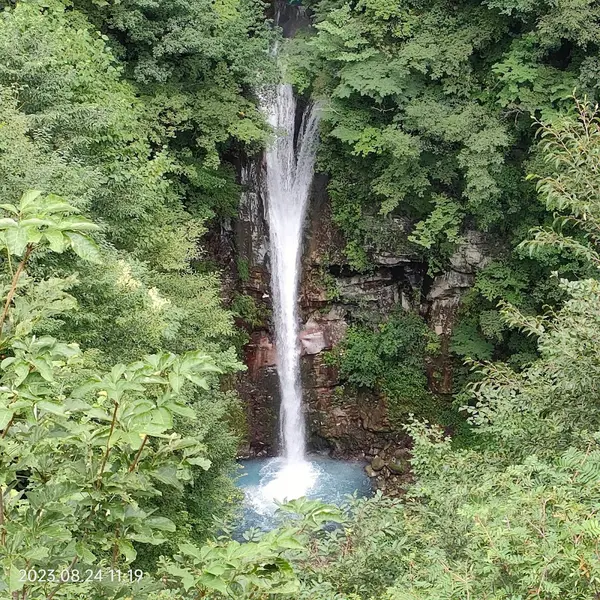
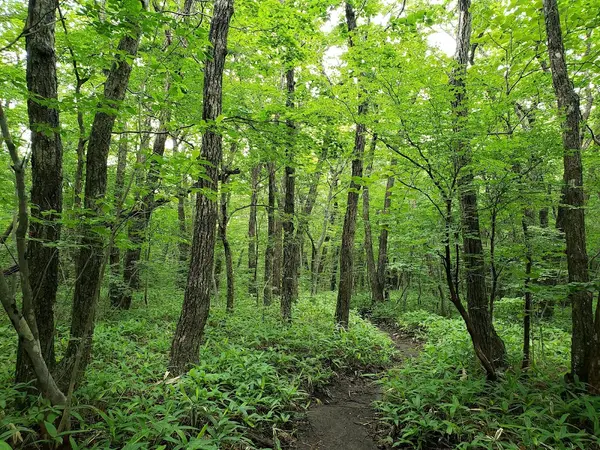
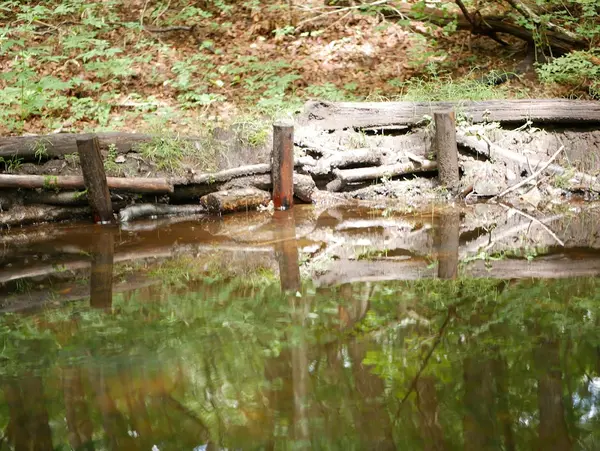
Established in 1926, this is the largest Imperial villa, covering about 660 hectares—roughly six times the area of the Tokyo Imperial Palace. Surrounded by lush forests, the Imperial Family stays here mainly during the summer to escape the heat. In 2011, about half of the grounds (approx. 560 ha) were opened as Nasu Heisei-no-Mori Forest, offering walking trails and guided tours where visitors can experience the villa's natural environment.
日本、〒415-0014 静岡県下田市須崎
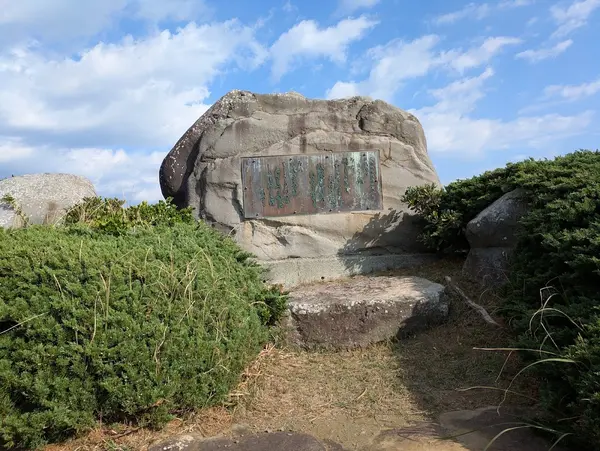
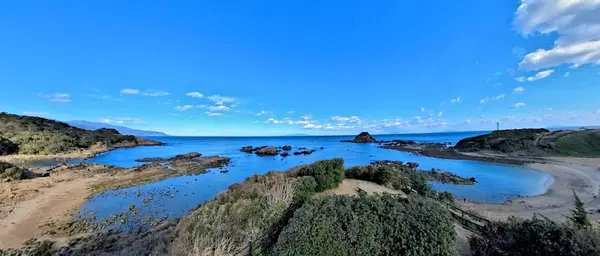
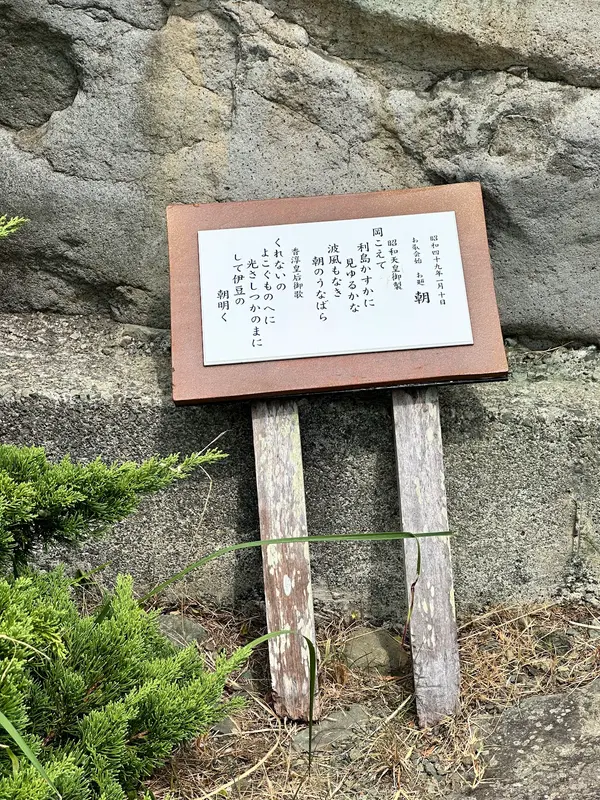
Established in 1971, this is the newest active Imperial villa. Built on land purchased from the former Mitsui estate, it features Mitsui-hama—a private beach—and rocky shores where Emperor Showa pursued his marine biology research. The Imperial Family mainly visits in summer. The map pin marks the entrance area where a stone monument inscribed with a poem by Emperor Showa stands.
日本、〒410-0822 静岡県沼津市下香貫島郷2802−1
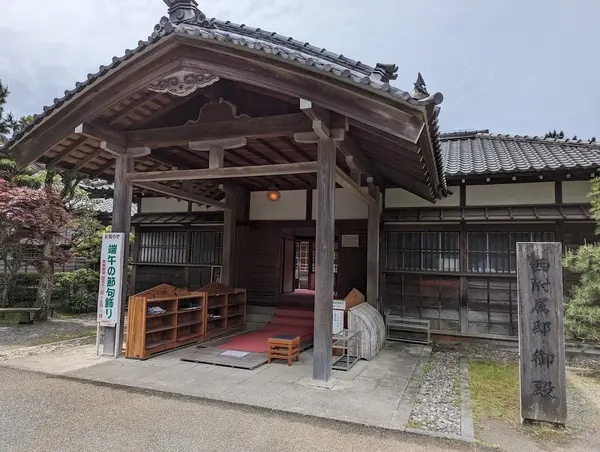
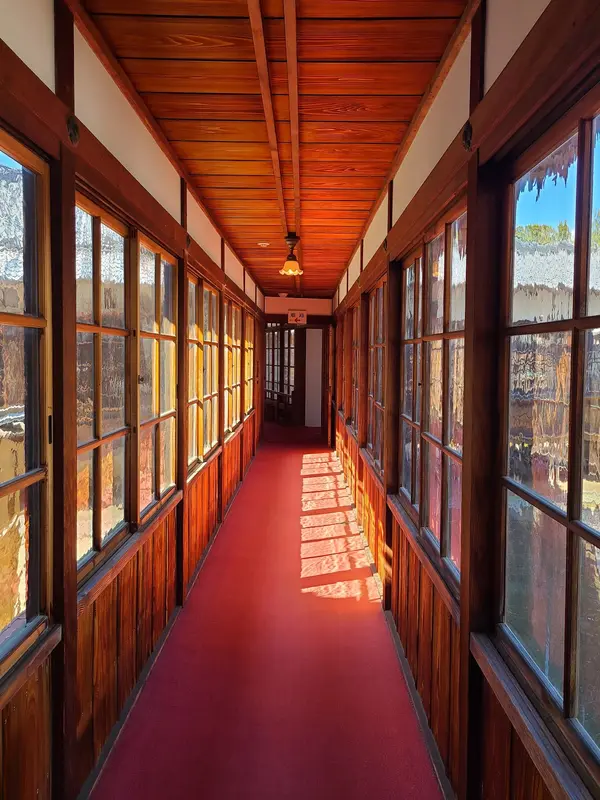
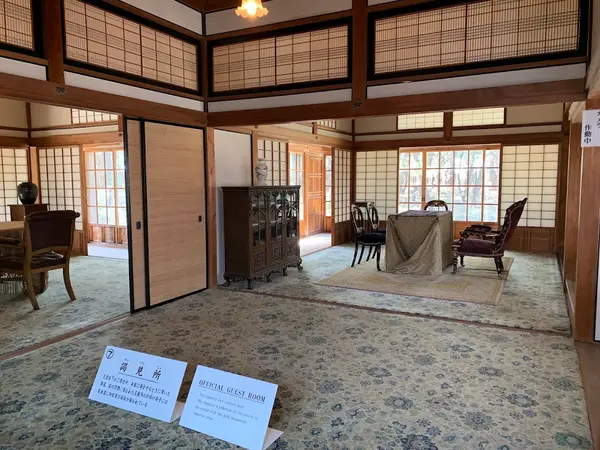
Built in 1893 as a retreat for the Crown Prince (later Emperor Taisho) and decommissioned in 1969, this 150,000-square-meter estate along Suruga Bay's Senbon Matsubara pine grove is now open to the public as a memorial park. You can tour the East Annex (relocated from Akasaka Palace) and the West Annex with its beautiful moss garden, offering a charming glimpse into imperial life. Designated as a National Place of Scenic Beauty.
日本、〒321-1434 栃木県日光市本町8−27
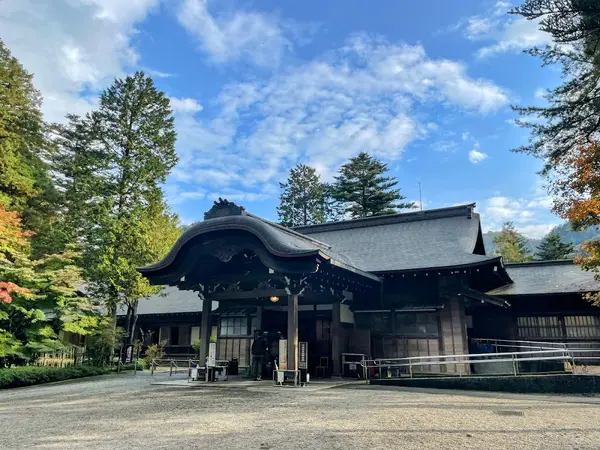
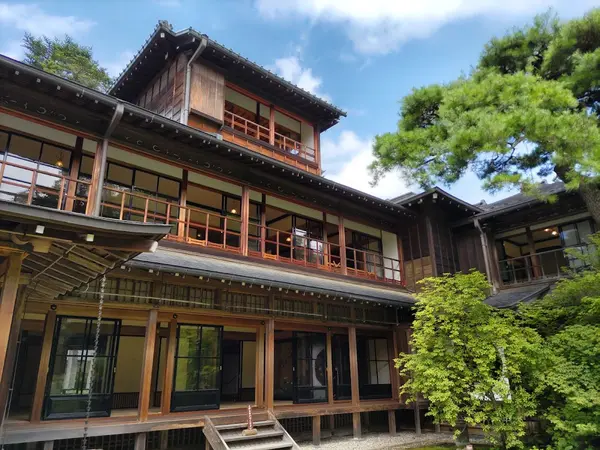
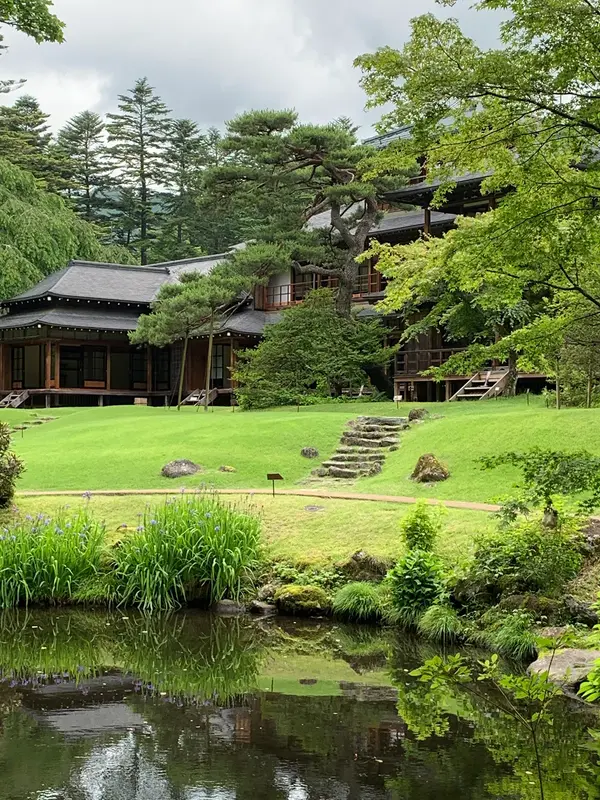
Built in 1899 as a summer retreat for the delicate Crown Prince (later Emperor Taisho). This rare architectural treasure blends Edo (a former Kishu Tokugawa residence), Meiji (Akasaka Palace), and Taisho period styles into a single grand palace, with 106 rooms open to the public. In 2013, it was designated an Important Cultural Property as the only surviving example where Meiji-era Imperial villa architecture remains almost completely intact.
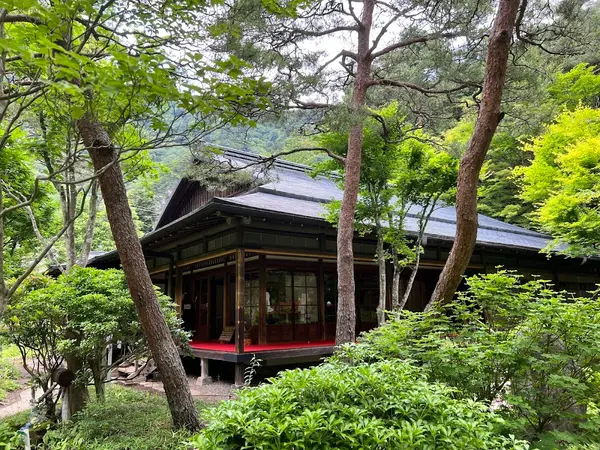
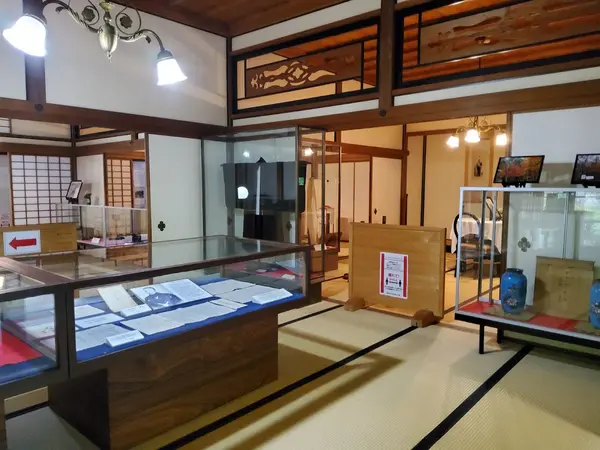
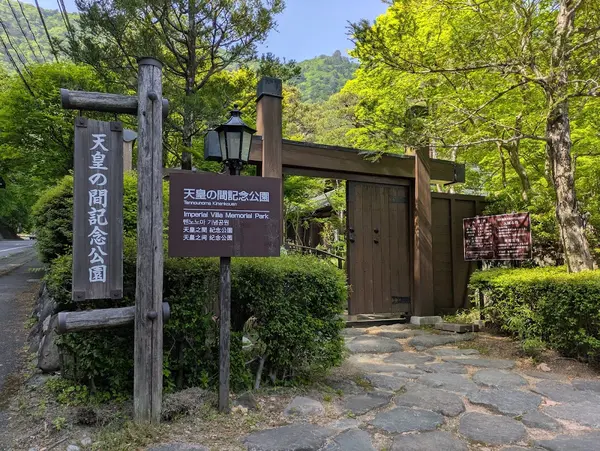
日本、〒329-2921 栃木県那須塩原市塩原1266−113
Established in 1904, Shiobara Imperial Villa was also affectionately called Suminomiya Palace because Prince Mikasa spent every summer here. Although decommissioned in 1946, its main living quarters were relocated within the Shiobara Onsen area and opened as a memorial park (a Tangible Cultural Property of Tochigi Prefecture). It is a wonderful stop during a stroll through the hot spring town to see up close how the Imperial Family relaxed during summer.
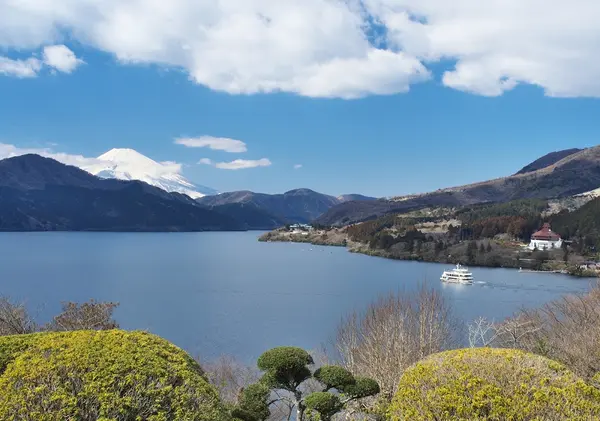
日本、〒250-0522 神奈川県足柄下郡箱根町元箱根171
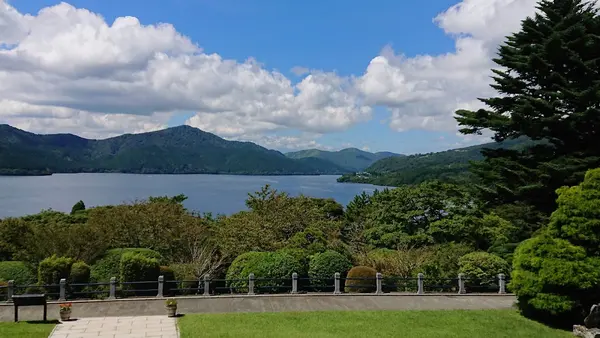
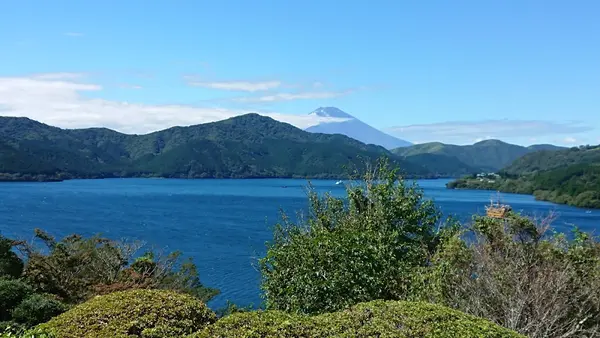
This site was originally a Detached Palace (Rikyu)—a designation the Imperial Household Agency used for larger-scale retreats. Completed in 1886 on Togashima, a peninsula jutting into Lake Ashi, the palace collapsed during the Great Kanto and Kita-Izu earthquakes. It was presented to Kanagawa Prefecture in 1946 and turned into a public park. The lakeside observation hall modeled after the palace offers sweeping views of Mount Fuji and Lake Ashi.
You can make your own map, too
Try it →