Map of All 27 UNESCO World Heritage Sites in Japan
MAP ・ 27 SPOTS
Map of All 27 UNESCO World Heritage Sites in Japan
A comprehensive map bringing together all 27 UNESCO World Heritage Sites in Japan (22 cultural and 5 natural), arranged by region from Shiretoko in the north to Okinawa in the south. It even includes the "Ancient Capitals of Asuka and Fujiwara," inscribed in July 2026. From the drift ice of Shiretoko and prehistoric Jomon settlements to ancient temples, modern industrial mines, and subtropical islands—for sites with multiple locations, a pin is placed at a representative spot, with the rest detailed in the description. The official English UNESCO name is noted at the beginning of each spot's intro. Perfect for planning your next trip or keeping track of where you've been!
2026.10.12
·Total ~5,521km
SPOT
Shiretoko
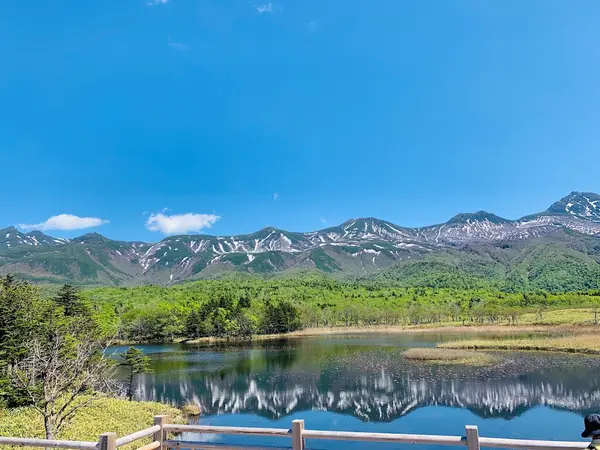


Shiretoko. Natural Heritage site inscribed in 2005. This is the southernmost sea in the Northern Hemisphere reached by seasonal drift ice, recognized for its unique marine and terrestrial food web sparked by nutrients brought by the ice. Home to brown bears, Blakiston's fish owls, and Steller's sea eagles. The pin is set at the Shiretoko Five Lakes, where you can explore five lakes nestled in pristine forest via elevated wooden boardwalks and ground trails.
〒099-4356 北海道斜里郡斜里町遠音別村 知床五湖
SPOT
Jomon Prehistoric Sites in Northern Japan
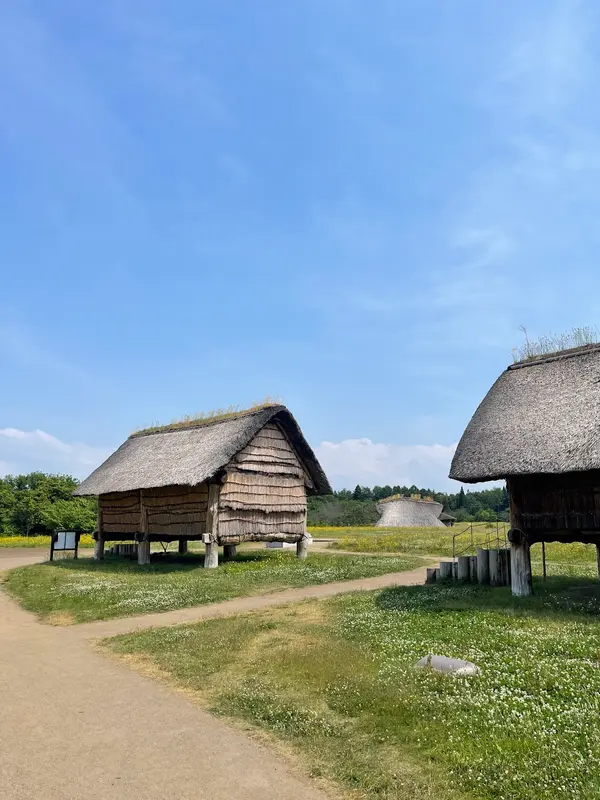


Jomon Prehistoric Sites in Northern Japan. Cultural Heritage site inscribed in 2021. Comprising 17 archaeological sites across Hokkaido, Aomori, Iwate, and Akita, this entry showcases a settled lifestyle based on hunting, gathering, and fishing that lasted over 10,000 years, along with its spiritual culture. The pin marks the Sannai-Maruyama Site, a large settlement dating back roughly 5,900 to 4,200 years, featuring reconstructed buildings supported by six massive chestnut pillars.
〒038-0031 青森県青森市三内丸山305
SPOT
Shirakami-Sanchi
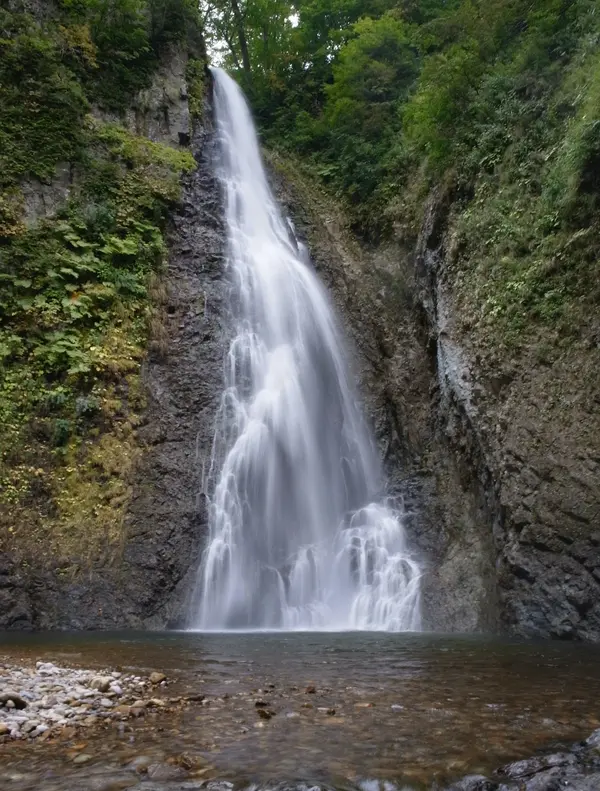


Shirakami-Sanchi. Inscribed in 1993 alongside Yakushima as Japan's very first Natural Heritage site. Straddling Aomori and Akita, it preserves one of the world's largest untouched virgin beech forests. Since entry to the core conservation zone is heavily restricted, the pin is placed at the Anmon Falls, an accessible spot reachable via nearby walking trails.
〒036-1424 青森県中津軽郡西目屋村川原平
SPOT
Hiraizumi
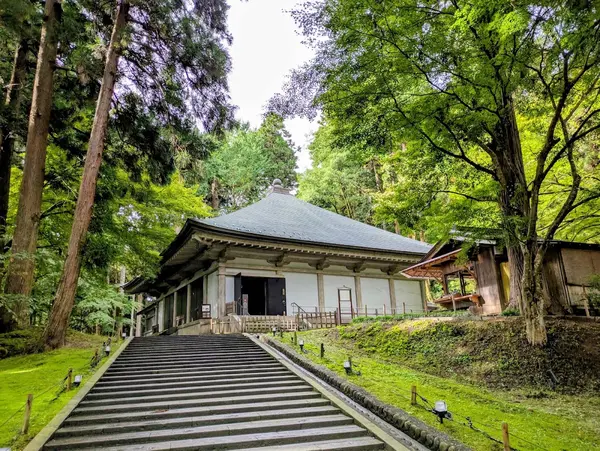


Hiraizumi – Temples, Gardens and Archaeological Sites Representing the Buddhist Pure Land. Cultural Heritage site inscribed in 2011. Created by the Oshu Fujiwara clan to represent the Buddhist Pure Land in this world, it consists of five sites: Chuson-ji, Motsu-ji, Kanjizaio-in Site, Muryoko-in Site, and Mt. Kinkeisan. The pin marks Chuson-ji Konjikido (Golden Hall), built in 1124 and covered inside and out with brilliant gold leaf.
〒029-4102 岩手県西磐井郡平泉町平泉衣関202
SPOT
Sado Island Gold Mines
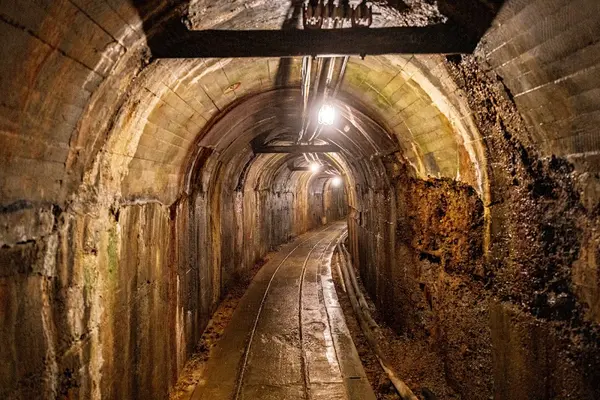


Sado Island Gold Mines. Cultural Heritage site inscribed in 2024. Centered around the Nishimikawa Placer Gold Mine and Aikawa Tsurushi Gold and Silver Mine, it highlights unmechanized, manual mining and refining techniques and miners' lives from the 16th to the 19th centuries. Near the pinned Historic Sado Gold Mine sits Doyu no Warito, an iconic mountain peak split into a V-shape by manual excavation along a gold vein.
〒952-1501 新潟県佐渡市下相川1305
SPOT
Shrines and Temples of Nikko
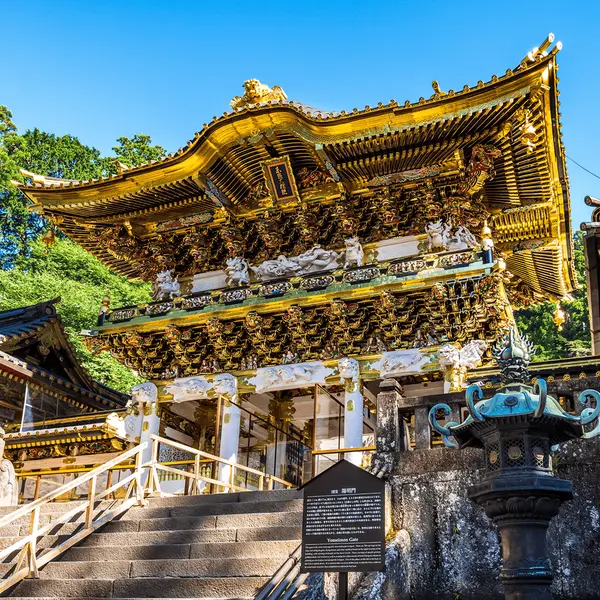


Shrines and Temples of Nikko. Cultural Heritage site inscribed in 1999. It comprises 103 religious structures across Toshogu Shrine, Futarasan Shrine, and Rinno-ji Temple, harmoniously blended into the surrounding sacred mountain landscape. The pin is set at Nikko Toshogu, the lavish shrine dedicated to shogun Tokugawa Ieyasu, famous for its intricately carved and brightly colored Yomeimon Gate.
〒321-1431 栃木県日光市山内2301
SPOT
Tomioka Silk Mill and Related Sites
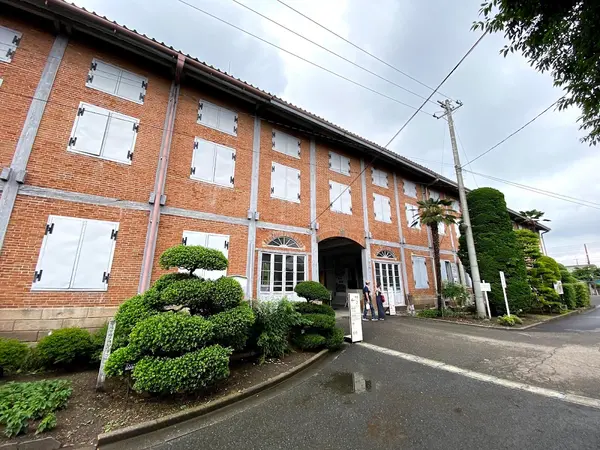


Tomioka Silk Mill and Related Sites. Cultural Heritage site inscribed in 2014. Comprising a model government mill built in 1872 by the Meiji government and three related sericulture sites (Tajima Yahei Sericulture Farm, Takayama-sha Sericulture School, and Arafune Wind Cave). Mass production of raw silk here helped make silk accessible worldwide. The pinned Silk Reeling Mill at Tomioka Silk Mill is a designated National Treasure.
〒370-2316 群馬県富岡市富岡1−1
SPOT
The Architectural Work of Le Corbusier
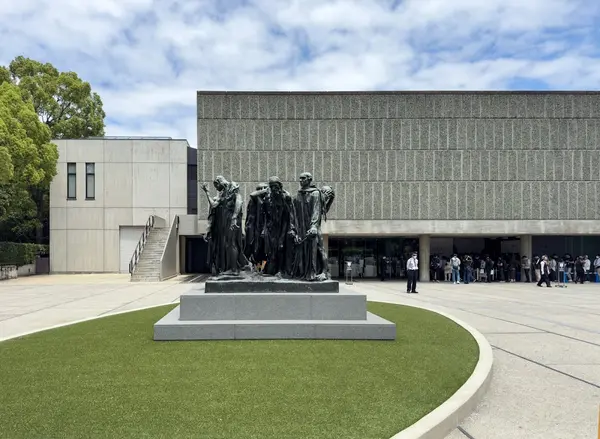


The Architectural Work of Le Corbusier, an Outstanding Contribution to the Modern Movement. Cultural Heritage site inscribed in 2016. A transnational serial inscription spanning 17 sites across seven countries celebrating the pioneer of modern architecture. The pinned Main Building of the National Museum of Western Art (1959) in Ueno Park is his only architectural work in East Asia.
〒110-0007 東京都台東区上野公園7−7
SPOT
Ogasawara Islands
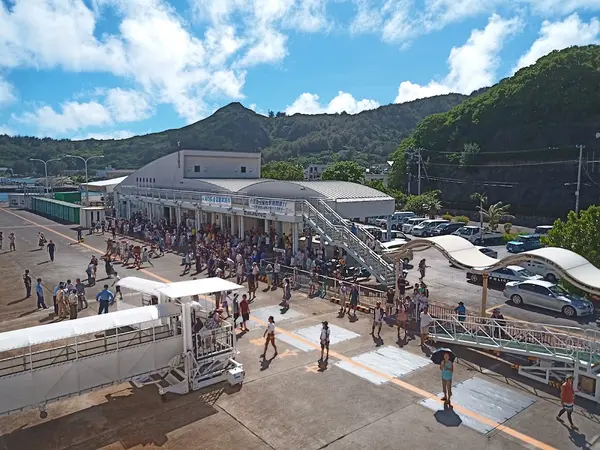


Ogasawara Islands. Natural Heritage site inscribed in 2011. These oceanic islands were never connected to any continent, fostering distinct evolutionary pathways for unique endemic wildlife. Although part of Tokyo Prefecture, there is no airport, meaning it's a 24-hour ferry ride from Takeshiba Pier in Tokyo to Chichijima. The pin marks Futami Port, the gateway to Chichijima.
〒100-2101 東京都小笠原村父島東町
SPOT
Fujisan, sacred place and source of artistic inspiration
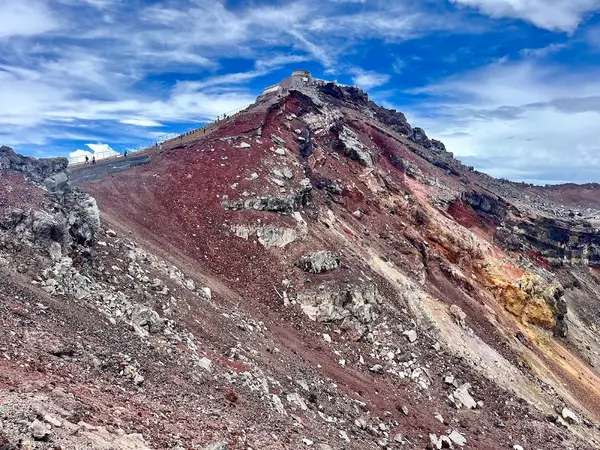


Fujisan, sacred place and source of artistic inspiration. Cultural Heritage site inscribed in 2013. Beyond the iconic 3,776-meter peak itself, the listing encompasses 25 component parts, including summit shrines, Sengen shrines at the base, pilgrimage trails, the Fuji Five Lakes, and Miho no Matsubara pine grove. Recognized for mountain-worship traditions and its profound influence on art, including ukiyo-e woodblock prints by Hokusai and Hiroshige.
〒418-0112 静岡県富士宮市北山
SPOT
Historic Villages of Shirakawa-go and Gokayama
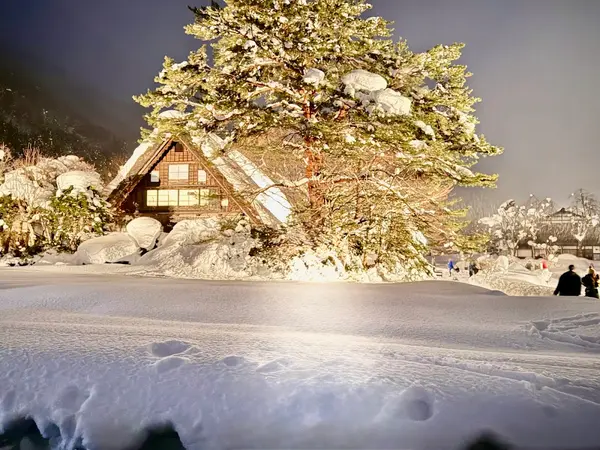


Historic Villages of Shirakawa-go and Gokayama. Cultural Heritage site inscribed in 1995. Made up of three traditional settlements: Ogimachi in Shirakawa Village (Gifu) and Ainokura and Suganuma in Nanto City (Toyama). In this snowy, mountainous region, residents lived in steep thatched-roof houses known as gassho-zukuri, using the spacious attics for sericulture. The pin marks Ogimachi, the largest of the three villages.
〒501-5627 岐阜県大野郡白川村荻町
SPOT
Historic Monuments of Ancient Kyoto
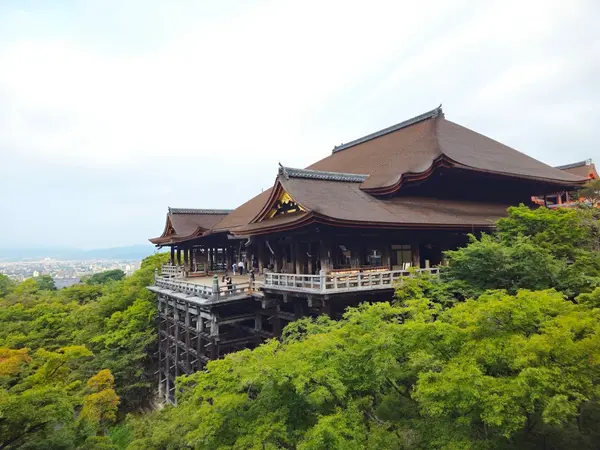


Historic Monuments of Ancient Kyoto (Kyoto, Uji and Otsu Cities). Cultural Heritage site inscribed in 1994. Includes 17 temples, shrines, and a castle across Kyoto, Uji, and Otsu, featuring Kiyomizu-dera, Kinkaku-ji, Ginkaku-ji, Nijo Castle, Byodoin, and Enryaku-ji. It traces the architectural and landscape garden evolution of Japan's millennium-long imperial capital. The pin marks Kiyomizu-dera, famous for its towering wooden stage built over a cliffside without a single nail.
〒605-0862 京都府京都市東山区清水1丁目294
SPOT
Historic Monuments of Ancient Nara
Historic Monuments of Ancient Nara. Cultural Heritage site inscribed in 1998. Encompasses eight sites from 8th-century Heijo-kyo (ancient Nara), including Todai-ji, Kofuku-ji, Kasuga Taisha, Kasugayama Primeval Forest, Gango-ji, Yakushi-ji, Toshodai-ji, and the Heijo Palace Site. The pin marks Todai-ji, home to the Great Buddha and the Daibutsuden, one of the world's largest wooden buildings.
〒630-8587 奈良県奈良市雑司町406−1
SPOT
Buddhist Monuments in the Horyu-ji Area
Buddhist Monuments in the Horyu-ji Area. Inscribed in 1993 alongside Himeji Castle as Japan's first Cultural Heritage site. Encompassing 48 structures across Horyu-ji and Hoki-ji, Horyu-ji's Kondo (Main Hall) and Five-Story Pagoda date from the late 7th to early 8th century, making them the world's oldest surviving wooden buildings and preserving the dawn of Buddhism in Japan.
〒636-0115 奈良県生駒郡斑鳩町法隆寺山内1−1−1
SPOT
Ancient Capitals of Asuka and Fujiwara
Ancient Capitals of Asuka and Fujiwara. Inscribed in July 2026 as Japan's 27th World Heritage site. Located across Kashihara, Sakurai, and Asuka in Nara Prefecture, its 19 component assets include palace grounds, administrative offices, temple remains, and burial mounds that document the emergence of a centralized Japanese state in East Asia. The pin marks the Fujiwara Palace Site, the center of Japan's first full-scale grid-planned capital completed in 694.
〒634-0072 奈良県橿原市醍醐町
SPOT
Sacred Sites and Pilgrimage Routes in the Kii Mountain Range
Sacred Sites and Pilgrimage Routes in the Kii Mountain Range. Cultural Heritage site inscribed in 2004. Encompasses three sacred centers across Wakayama, Nara, and Mie—Yoshino & Omine, Kumano Sanzan, and Koyasan—connected by ancient trails like the Kumano Kodo. Near the pinned Kumano Nachi Taisha sits Nachi Falls, dropping 133 meters in a single uninterrupted plunge (Japan's tallest) and revered as a sacred component site itself.
〒649-5301 和歌山県東牟婁郡那智勝浦町那智山1
SPOT
Mozu-Furuichi Kofun Group
Mozu-Furuichi Kofun Group: Mounded Tombs of Ancient Japan. Cultural Heritage site inscribed in 2019. Comprises 49 ancient burial mounds from the late 4th to late 5th centuries scattered across Sakai, Habikino, and Fujiidera in Osaka. Their distinctive shapes, including iconic keyhole mounds, and grand sizes reflected social rank. The pin marks Emperor Nintoku's Tomb (Daisen Kofun), stretching about 486 meters long as Japan's largest burial mound.
〒590-0035 大阪府堺市堺区大仙町7−1079−1
SPOT
Himeji Castle
Himeji-jo. Inscribed in 1993 alongside Horyu-ji as Japan's first Cultural Heritage site. Often called the "White Heron Castle" for its dazzling white plastered walls. Built in the early 17th century by Ikeda Terumasa, the main keep has miraculously survived wars, fires, and natural disasters intact. Widely regarded as the pinnacle of Japanese wooden castle architecture, the main keep is a designated National Treasure.
〒670-0012 兵庫県姫路市本町68
SPOT
Iwami Ginzan Silver Mine and its Cultural Landscape
Iwami Ginzan Silver Mine and its Cultural Landscape. Cultural Heritage site inscribed in 2007. Encompasses silver mines worked from the 16th through the 20th century, mining towns, transport trails, and ports. In its heyday, Japanese silver accounted for roughly one-third of the global output. Lauded for mining practices that coexisted sustainably with the forest environment, it became the first mining heritage site inscribed in Asia. The pinned Ryugenji Mabu is a mine shaft open to walk through.
〒694-0305 島根県大田市大森町銀山15
SPOT
Hiroshima Peace Memorial (Genbaku Dome)
Hiroshima Peace Memorial (Genbaku Dome). Cultural Heritage site inscribed in 1996. Designed by Czech architect Jan Letzel and completed in 1915, this building was left in skeletal ruins following the first atomic bomb used against humanity on August 6, 1945. Preserved in its damaged state as a universal symbol praying for a world without nuclear weapons. The Peace Memorial Park and Peace Memorial Museum sit right across the river.
〒730-0051 広島県広島市中区大手町1丁目1−10
SPOT
Itsukushima Shinto Shrine
Itsukushima Shinto Shrine. Cultural Heritage site inscribed in 1996. Commissioned in its present layout by Taira no Kiyomori in the 12th century, the shrine pavilions are built over the water, appearing to float when the tide rolls in. The protected zone includes the surrounding bay and the sacred primeval forest of Mount Misen behind it. At low tide, you can walk right up to the famous grand torii gate in the bay. Miyajima is about a 10-minute ferry ride from Miyajimaguchi.
〒739-0588 広島県廿日市市宮島町1−1
SPOT
Sacred Island of Okinoshima and Associated Sites in the Munakata Region
Sacred Island of Okinoshima and Associated Sites in the Munakata Region. Cultural Heritage site inscribed in 2017. Considered a deity itself, Okinoshima yielded ritual remains and around 80,000 precious artifacts (all National Treasures) dating from the 4th to 9th centuries. As general visitors are strictly forbidden from landing on Okinoshima, the pin is placed at Munakata Taisha Hetsu-miya on the Kyushu mainland.
〒811-3505 福岡県宗像市田島2331
SPOT
Sites of Japan's Meiji Industrial Revolution: Iron and Steel, Shipbuilding and Coal Mining
Sites of Japan's Meiji Industrial Revolution: Iron and Steel, Shipbuilding and Coal Mining. Cultural Heritage site inscribed in 2015. Spanning 23 sites across eight prefectures (Yamaguchi, Fukuoka, Saga, Nagasaki, Kumamoto, Kagoshima, Iwate, and Shizuoka), it chronicles Japan's rapid modernization in heavy industry between the 1850s and 1910. The pin marks Hashima Island (Battleship Island), an undersea coal-mining community closed in 1974.
〒851-1315 長崎県長崎市高島町 端島
SPOT
Hidden Christian Sites in the Nagasaki Region
Hidden Christian Sites in the Nagasaki Region. Cultural Heritage site inscribed in 2018. Comprises 12 component sites across Nagasaki and Amakusa (Kumamoto), illustrating the villages and churches of communities who secretly kept their Christian faith alive from the 17th to the 19th centuries while it was strictly prohibited. The pinned Oura Cathedral was built in 1864 and was the stage of the historic "Discovery of the Hidden Christians."
〒850-0931 長崎県長崎市南山手町5−3
SPOT
Yakushima
Yakushima. Inscribed in 1993 alongside Shirakami-Sanchi as Japan's first Natural Heritage site. Showcases an unbroken vertical sequence of vegetation zones ranging from coastal subtropical flora to subalpine peaks. Famous for its ancient cedar forests (Yakusugi) with trees over 1,000 years old and its abundant, mystical rainfall. The pinned Jomon Sugi cedar is estimated to be over 2,000 years old, accessible via a challenging 10-hour round-trip mountain hike.
〒891-4205 鹿児島県熊毛郡屋久島町宮之浦
SPOT
Amami-Oshima Island, Tokunoshima Island, Northern Part of Okinawa Island, and Iriomote Island
Amami-Oshima Island, Tokunoshima Island, Northern part of Okinawa Island, and Iriomote Island. Natural Heritage site inscribed in 2021. Isolated from the mainland, these subtropical islands host uniquely evolved endemic species like the Amami rabbit, Okinawa rail, and Iriomote wildcat. The pin is set at Kinsakubaru, a lush virgin subtropical forest on Amami Oshima that can only be visited with a certified local guide.
〒894-0773 鹿児島県奄美市名瀬大字朝戸
SPOT
Gusuku Sites and Related Properties of the Kingdom of Ryukyu
Gusuku Sites and Related Properties of the Kingdom of Ryukyu. Cultural Heritage site inscribed in 2000. Features nine component properties, including castle ruins (gusuku) like Shuri Castle, Nakijin Castle, Katsuren Castle, and Nakagusuku Castle, alongside sacred sites like Sefa Utaki. The inscription specifically honors the underground archaeological ruins rather than the rebuilt palace structures, illustrating the distinctive Ryukyu culture that flourished between Japan and China.
〒903-0815 沖縄県那覇市首里金城町1丁目2